Entrez votre terme de recherche ci-dessus.

Thousands of people trip and fall each year, and many of them have serious consequences. This is especially true for an aging parent or elderly loved one who may not be able to recover from the injury as quickly. According to the National Council on Aging, an elder adult goes to the emergency room every 11 seconds in America to treat injuries resulting from a fall. Knowing the most common causes can help you understand how to prevent a fall in the future.

Common Causes For Falls Outside

Things like trip hazards, loose handrails, and slippery footing are obvious causes for falls that occur outside. What may not be as obvious when providing senior care are characteristics like their eyesight, balance, reflexes, reactions to medication, muscle weakness and much more. In most cases, there is a specific reason why a person falls outside and that reason likely could have been prevented. 

Ways To Prevent Falls

When caring for an aging parent, it’s important to be proactive in ensuring they are safe when they go outside. Here are great ways to prevent falls outside:

  1. Test your loved one’s eyesight and hearing. Even minor changes in these senses can make them more vulnerable to falling.
  2. Do strength training with your loved one. Improving flexibility and muscle strength can make them more stable when moving around.
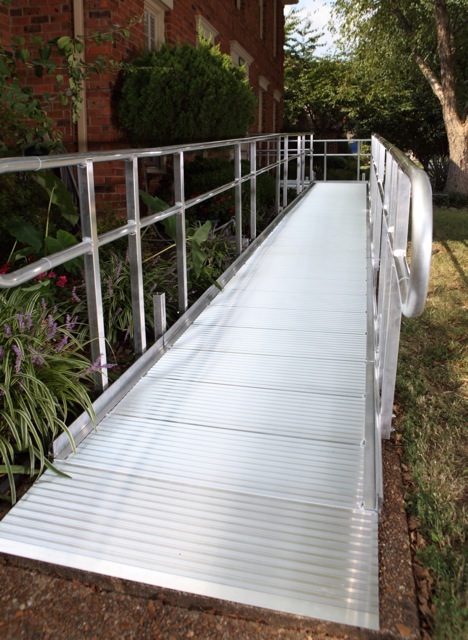
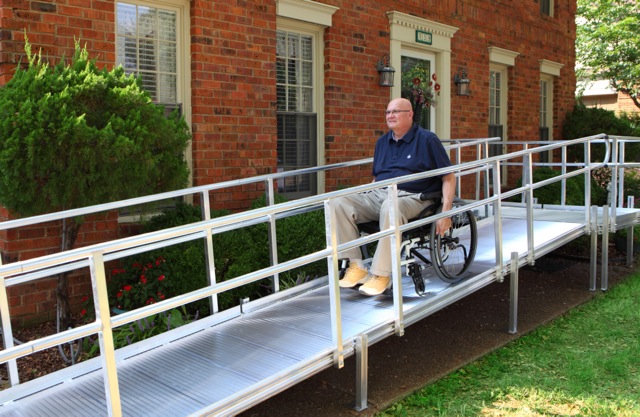
  3. Invest in a quality wheelchair ramp. Eliminating stairs can contribute to fewer falls and make moving outside much easier.
  4. Install grab bars. These can be placed on porches, along walls, in garages and essentially anywhere your loved one walks outside to help keep their footing stable.
  5. Consider installing a porch lift or similar accessibility product. These products can significantly reduce the risk of falling, while still allowing your loved one to do the things they enjoy in their yard.

The U.S. Centers for Disease Control and Prevention states that falls are the most common cause of trauma-related hospital admissions and the leading cause of fatal injury in older adults. Next Day Access is dedicated to reducing these statistics by providing accessibility solutions to help prevent falls. Feel free to Nous contacter to set up a free home assessment to see which accessibility solutions could be ideal for you or your loved one.

Finding extra funding can be challenging for the elderly and those with disabilities. For many, obtaining a reverse mortgage can provide additional funds to help achieve goals. New regulations over the last few years have reduced the high costs and made it a viable option for the older homeowner. The extra income generated by a reverse mortgage can be used for home renovations to increase a home’s value or for home modifications such as a wheelchair ramp to make the home more accessible for seniors who desire to age in place.

What is a Reverse Mortgage?

Reverse mortgages are a type of home equity loan actually designed to help seniors who are 62 and older. The home loan doesn’t require monthly mortgage payments although borrowers will still be responsible for paying taxes and insurance, as well as maintaining the home. Once the senior or individual with a disability moves out or dies the loan is repaid.

Benefits of a Reverse Mortgage

One of the main benefits of a reverse mortgage for many seniors is the access to extra cash. Since this arrangement relieves the borrower of making mortgage payments on their home loan, they have more cash on hand. This can be used to reduce their overall debt, eliminate recurring payments or simply to enhance their lifestyle. It can also be used for home improvements and modifications for accessibility such as a wheelchair ramp, stairlift, purchasing new appliances or adding a home security system.

Another benefit many can take advantage of is how a reverse mortgage can increase in value over time. As the average life span has increased, it can place a strain on cash flow in the retirement years. Most didn’t plan for 20 plus years of retirement. When unexpected medical events take a chunk out of retirement funds, it can make it difficult for many to make ends meet. A reverse mortgage can increase in value over time which can offer more peace of mind and help retirees accumulate cash.

Counseling is Required

To ensure seniors and individuals with disabilities understand the details of a reverse mortgage, and how it differs from a home equity loan, counseling is required. Borrowers will have to go through counseling with independent third-parties who will explain the features of the loan and the responsibility of the borrower.

 If you obtained a reverse mortgage and are considering home modifications such as adding a wheelchair ramp, Nous contacter at Next Day Access and let us help you.

Centers for Independent Living (CIL) are community-based non-profit agencies that provide both services and opportunities for people who have disabilities. The goal is to enable them to live in an independent, community setting such as retirement homes, an assisted living community, a group home or their own apartment. CILs are designed to be run by and for those with disabilities. The provided programs can offer funding, support, training, and services necessary to help individuals with disabilities live in a more independent setting. Each person’s situation and needs are unique so services, training, and support can vary between participants with the goal being to provide senior living and help individuals with disabilities achieve independence.

How does it Work?

Programs work to support community living for those who have disabilities. The goal is based on the belief that everyone can live with dignity, make their own choices and be an active participant in society. Programs provide tools, resources, and support to help integrate individuals into a community while promoting self-determination, respect, and equal opportunities. Federal funds may be used to provide assistance in transitioning from nursing homes or other long term care facilities to a community-based residence like senior housing or assisted living. CIL is designed such that those who are transitioning have the assistance of peers and mentors who share similar stories and barriers they have overcome to achieve their goals.

Who Benefits From Centers for Independent Living?

CILs exist to help make it possible for individuals to live their lives on their own terms. For some, this may mean making modifications such as adding a wheelchair ramp to an entrance or installing grab bars in bathrooms. The modifications used are dependent on the specific needs of the participant and what they need to improve mobility and independence.

For example, an individual who has sustained a spinal cord injury may receive assistance through accessible housing, funding for schooling and accommodations to help them achieve educational goals such as entering a degree program. For others, it may be moving into a group home setting where personal and senior care assistance is available through other programs to help with daily living. Through the Centers for Independent Living, an individual’s level of need is assessed, and adaptations and modifications are applied to the home setting while the participant is offered support and assistance when needed to help them achieve the goals they desire.

 If you would like more information about Centers for Independent Living, accommodations, or a more independent lifestyle for your loved one or yourself, please Nous contacter at Next Day Access.

What is the Money Follows the Person Program?

Medicaid and Medicare programs have been primary funding sources for providing care for mobility-impaired individuals and the elderly since President Johnson established them in 1965. While the federal programs provide limited home healthcare and related services, their primary focus until recently has been on funneling monies into long-term care facilities. The Money Follows the Person Demonstration Grant (MFP) is designed to provide more options for those utilizing Medicaid and Medicare funding for their care. The primary goal of MFP is to make it possible for those who desire to live independently at home to receive the same funding and care without having to move into a long-term care facility.

How MFP Works

Similarly to Medicaid, the MFP program doesn’t provide monies directly to individuals but instead provides grants to each state. The state then develops its own MFP programs. The state-developed programs use resources provided through the MFP program to help individuals manage care outside a long-term facility. These federal funds can be put towards developing new services ranging from providing home healthcare aids to accessibility funding for home modifications. Funding may also be used to provide medical equipment such as chairlifts, stairlifts, and other medical supplies specific to an individual’s needs. The MFP program may also provide for the development of new services to help individuals transition from facility-based care to a private residence via a housing coordinator or case manager.

MFP is Adapted to an Individual’s Needs

Funding allocations through the MFP programs will be determined at the state level and will be tailored to meet the health care needs of individual participants. This typically includes assessments of an individual’s capabilities as well as the home they will be living in. Individual states will determine the full range of services provided by the grants and how monies will be allocated to increase the participant’s independence and provide a safe environment for them. In some instances, the program may pay for home modifications such as bathroom handrails, stairlifts, or making entrances wheelchair accessible.

The Program’s Progress

MFP provides each state with flexibility in funding to help individuals who want to transition from facility-based living into a private residence. There are currently 43 states participating in the MFP program and over 85,000 individuals have been able to transition into their communities because of funding through the Money Follows the Person program.

If you or your loved one needs home modifications after returning home, check out the selection of Next Day Access Des produits and services.

Making your office more accessible also makes it a more attractive place to work. Whether you only need to accommodate employees or if you have clients or customers coming in and out throughout the day, having a wheelchair ramp in strategic locations can make a world of difference. With 2019 coming to an end, one of the goals you may consider for 2020 is making your office more accessible for everyone.

Go Beyond ADA Compliance

Every office space, inside and out, should be ADA compliant. This means there will be a handicap ramp going in and out of the building, plenty of space for wheelchairs to navigate and more. However, feel free to take your office beyond these basic requirements!

Some of the things you could include are grab bars placed strategically throughout the office, creating a more open concept with proper furniture placement, carpets with a short pile and much more. While these things may seem like minor changes to you, they can make a world of difference for people with mobility limitations.

Communicate With Your Employees To Confirm Their Needs

As a business owner, the most respectable thing you can do is talk to each of your employees about any special needs they may have. You shouldn’t expect them to come to you about them since it may not be something they are comfortable expressing openly. No one wants to be an inconvenience or make requests, like asking for a wheelchair ramp, that will only benefit them, so chances are they will make do with what is available to them even if it makes their life more difficult.

Take the extra step and ask them what would help them be more productive at work, while also feeling safe, secure and comfortable! Not only will you feel better about providing exactly what your employees need, but you’ll also be more respected and admired by them and your colleagues as well.

It’s amazing how much of a difference a simple threshold ramp can make in a person’s life when they have mobility limitations. Offices and commercial spaces should be just as accessible as a person’s home, so make this one of your top priorities for 2020. When you’re ready to make a difference in your office, Accès le lendemain is your go-to resource for all of your mobility products.

No matter how good the arrangement you have for your elderly loved one is, it’s important to “keep your radar up” for signs they aren’t being cared for properly. Whether they are in an assisted living facility or being cared for by a primary caregiver in their home, don’t ignore anything that seems unusual. It’s up to you to identify these warning signs and when you see something — act immediately!

Physical Signs

The National Council on Aging defines elder abuse as “physical abuse, emotional abuse, sexual abuse, exploitation, neglect, and abandonment.” Perpetrators can include assisted living employees, family members, and spouses. 

Some of the most common signs of physical abuse include:

  • Bruising or welts anywhere on the body
  • Eyeglasses or other products being broken
  • Any type of sprain, broken bone or dislocation
  • Random markings on the body

If you notice any of these warning signs on your loved one, speak with them discretely while the two of you are alone. It’s important to make sure they feel safe and that no one is listening to your conversation. Ask them plainly, “Is someone hurting you?” Reassure them that you are there to help. If the suspected caregiver is hesitant to leave you alone with your loved one, that’s a red flag for elderly abuse.

Mental and Emotional Signs

Sometimes the abuse that occurs in assisted living facilities isn’t physical. Listen to your loved one and take action if they indicate their caregiver has:

  • Ignored them for long periods of time
  • Used harsh language towards them
  • Attempted to humiliate or ridicule them
  • Raised their voice in an aggressive manner
  • Isolated them from different activities

These actions can severely diminish an elderly person’s mental health, so step in right away if you witness or hear about any of these actions.

Signs of Neglect

Every assisted care facility should prioritize keeping their patients safe, but neglect can be just as harmful as intentional abuse. Signs of neglect of your loved one can include:

  • Being dirty and smelly
  • Not being dressed appropriately for the weather conditions
  • Not having clean bed sheets
  • Bedsores
  • Leaving them in a place for a long time without a trained professional watching them

Elder abuse is very real today, even if we don’t like to think about it happening. If you suspect anything, don’t hesitate to take your loved one out of a facility and look into caring for them at their home

Being a primary caregiver can be a rewarding job. However, caring for your loved one can also be challenging, frustrating, and scary sometimes. It’s important to take care of yourself — if you’re overwhelmed and stressed, the quality of care you’re able to provide is probably diminished. Remember these tips for taking care of yourself…

Talk To Others

Social interactions outside of the home are important to keep you engaged with everything else that is going on in the world. Make time for friends and family members by going out to lunch, hanging out with them at their home, or inviting them over to visit if you are unable to leave. Interactions with friends and family are essential for a healthy body, mind, and soul! 

Proper Nutrition and Exercise Are Essential

It’s easy to snack on unhealthy foods when caring for a loved one at their home. Even if you don’t have the time to prepare a proper meal, it’s still critical to incorporate proper nutrition and exercise into your daily routine. One simple way to accomplish this is to prepare meals and healthy snacks ahead of time so they are easily accessible when you get hungry.

Take Time For Yourself

Being a primary caregiver is the equivalent of having a full-time job and maybe even more than that. So like with anything, you have to take time for yourself to keep your sanity and stay in a positive mental state. Whether it’s going on a walk, exercising, reading a book or anything else, take those ten or fifteen minutes to clear your mind.

Never Hesitate To Ask For Help

When caring for a senior living at home, there will come a time when you need relief. Sometimes friends and family are willing to lend you a helping hand, but they don’t want to overstep any boundaries by asking you. It never hurts to reach out to someone you trust and ask them to step in for you temporarily.

For your loved one, your role as a primary caregiver is one of the most important ones in the world.

Most people take their mobility for granted until they don’t have as much of it anymore. If your loved one has limitations in their movements, whether they are getting older or are injured, then the gift of mobility can brighten their day and maybe even the rest of their life! You can’t go wrong with any of these mobility gifts this holiday season.

Shower Chair

When you aren’t confident with your footing, it’s easy to be tentative and increase the chances of slipping and falling. With a shower chair, not only will your loved one feel safer and more stable in the shower, but they will also be able to relax while bathing instead of worrying about slipping and falling.

Electric Scooter

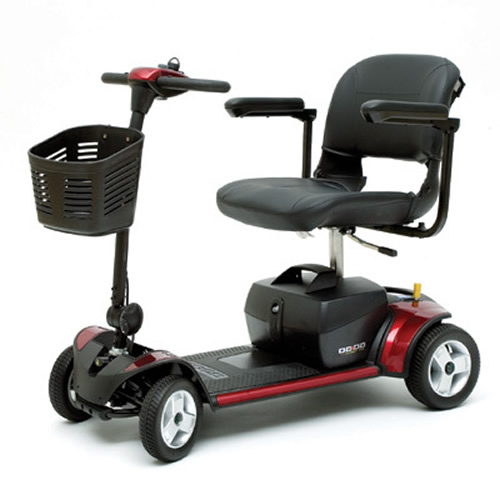
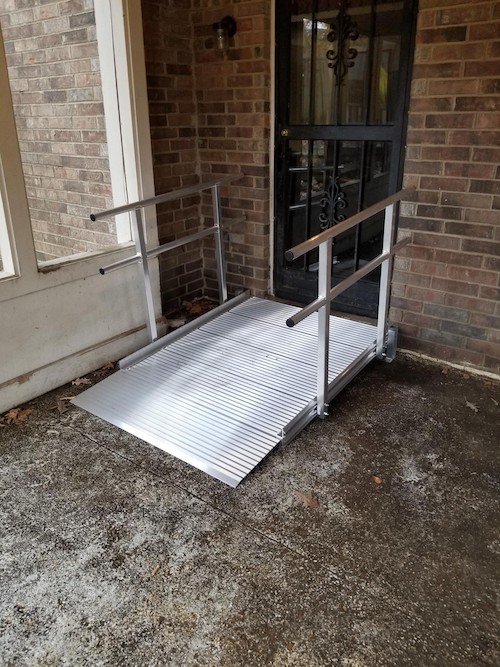
If you want to bring out the youthfulness in your elderly loved one with mobility limitations, get them an electric scooter. They are almost guaranteed to have a huge smile on their face when they realize they can get places easily and in style. Just be sure their home has at least a temporary wheelchair ramp so they can try out their mobility scooter right away!

Stair Lift or Porch Lift

Getting up and down the stairs will be a breeze for your loved one when they have a reliable stairlift. They can age in place while being able to access every part of their home with very few limitations. And if they have a front or back porch they like to sit and relax on, install a porch lift to make it even easier for them to do so!

Lift Chair

Lift chairs come with standard features or you can customize them to your liking. The worst part about sitting in a regular chair for people with mobility limitations is having to get out of the chair when they need to. With a lift chair, exiting the seat safely is the easy part since it can be adjusted.

New Wheelchair Ramp

Is there a temporary wheelchair ramp at your loved one’s home? Installing a new wheelchair ramp can be a great gift to give this holiday season. It will be used all the time and can be customized to the specifications your loved one needs.

We want to help you create a memorable moment with your loved one this holiday season so contact Accès le lendemain for some personalized ideas!

Some travel destinations are “friendlier than others” when it comes to accessibility, so we’ve compiled a Top 5 Tropical (and Accessible) Travel Destinations list for these chilly Winter months…

Cape Town, South Africa

The absolutely stunning landscapes in Cape Town are a favorite of travel journalists, acrylic painters, and photography buffs. According to WheelchairTravel.org, the Cape Floral Region’s Table Mountain National Park gets an A+ for wheelchair accessibility.  John Morris was able to navigate all the way to the top of the mountain using a relatively steep, wheelchair-accessible path. If you’re not as brazen as John, consider renting a mobility scooter and taking a more leisurely route.

The Caribbean

A Caribbean cruise is consistently ranked as one of the most popular travel experiences. Not only are there a host of activities on board the wheelchair-friendly cruise ships, but the island destinations often feature unique dining experiences and other scenic wonders. We recommend researching accessible attractions beforehand as not all island destinations are created equal when it comes to accessibility. 

Bridgetown, Barbados

Barbados has vastly improved its accessibility in recent years, making it a place people from all around the world come to visit. The small island has all-inclusive resorts, magnificent hotels, and interesting wildlife and nature preserves. Harrison’s Cave is fully wheelchair accessible with paved walkways, a friendly tram car, and open bathroom designs.

Hawaii

If you don’t want to leave the United States — but still want to experience a tropical destination — then Hawaii is a great place to consider. Each island is ADA compliant, so there are wheelchair ramps almost everywhere you look. Whether you enjoy the nightlife, shopping, beach relaxation or even more adventurous tours, Hawaii has attractions to suit a variety of entertainment preferences.

Tenerife, Spain

Tenerife, Spain, is another awesomely-accessible destination to consider. From the snow-capped peaks of Mount Teide to the year-round temperate climate, Tenerife has a little bit of everything. Their official taxi service is wheelchair accessible by design and the city features robust public transportation. Little Miss Turtle’s Tenerife travel guide is an excellent resource for accessibility pointers.

Next Day Access can get you ready to go for your next tropical vacation! Our selection of mobility scooters, travel wheelchairs, and other products can have you ready to explore with independence and style, so Nous contacter today to get set up!

Do you lose sleep at night knowing a disabled or elderly loved one is without the support they need to get in and out of their bedroom safely? Are you afraid you’ll wake up one morning only to find they fell in their bedroom? This is a normal feeling, unfortunately, but it is also completely preventable. With a wheelchair-accessible bedroom, you can have peace of mind knowing your loved one is safe and they will also feel more comfortable being in their own home! 

Create Ample Space For Entryways

Just because a normal entryway is 36” wide doesn’t mean you have to stick with that standard. Besides, it’s your peace of mind and your loved one’s safety at stake, so you can do whatever you need to ensure both are taken care of! Widen doorways to 42” or larger to make them more wheelchair accessible without having to struggle to get through with a wheelchair or a walker. The door installation cost likely isn’t going to be as much as you expect, and once you take a look at the extra open space, you may not even want a door to the bedroom anymore.

Get a Lift While Getting In and Out of Bed

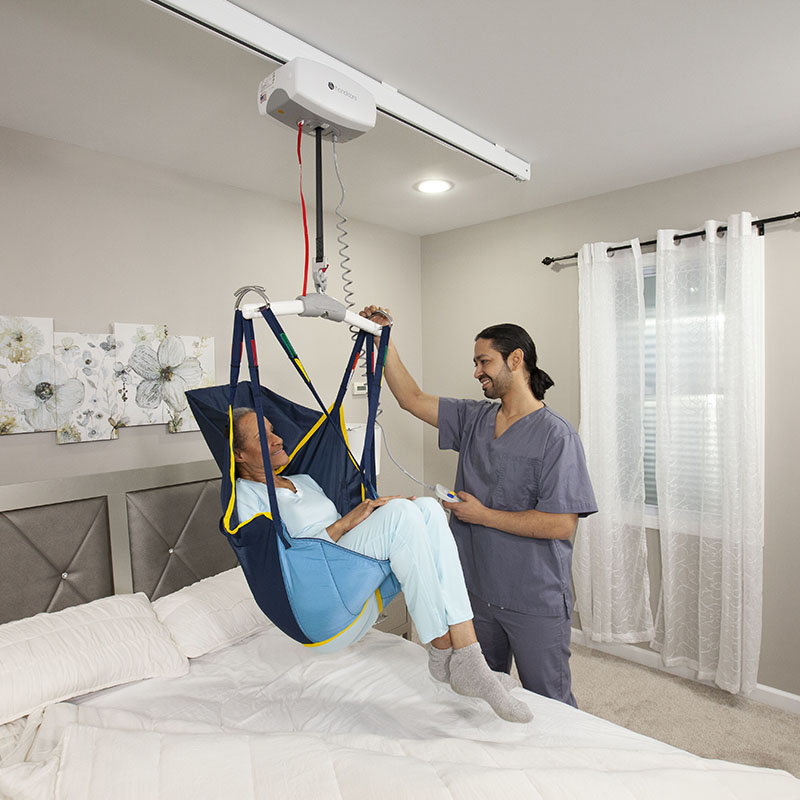
Getting out of bed in the morning is tough for anyone, much less for people with mobility issues. Adjusting the height of the bed to between 20”-23” is ideal if you don’t use a wheelchair to get around. Otherwise, a wheelchair-accessible bed will be roughly the same height as the seat of the wheelchair for easy in-and-out access. Need even more accessibility? Consider grab bars, ceiling lifts or investing in an adjustable bed to make getting in and out of bed the easiest thing you do all day!

Next Day Access treats your family as if it were their own. As one of our customers recently said, “The products, service, and response will change your life.” This is exactly what we stand for. We are more than just a company that offers accessibility solutions for those in need. Our main focus is on changing the lives of disabled and elderly people so they can live long and healthy lives in their own homes. Peace of mind is priceless, so call and schedule an in-home safety evaluation today.

Avis des clients

FrançaisEspañolEnglish