Entrez votre terme de recherche ci-dessus.

Buying accessibility equipment is an investment in your safety — or the safety of your loved ones. That’s why it’s an investment that’s risky to make by yourself. Unfortunately, so many people take that unnecessary risk by purchasing accessibility products online. Think about it: You wouldn’t buy airbags online and install them into your own car, so why would you do the same for accessibility equipment that’s essential for protecting your safety?

It’s always safest to buy accessibility equipment from a certified local dealer that can install the equipment, tailor it to your needs, and train you to use it properly. A local accessibility provider like Next Day Access will also ensure you get the right accessibility equipment, whether you require a custom wheelchair ramp, stair lift, grab bar, or another solution.

What Are Your Options for Buying Accessibility Equipment?

When choosing home accessibility solutions, you can purchase equipment through a local dealer or shop online at various types of stores. However, buying locally is a much safer investment.

The Problems With Buying Accessibility Equipment Online

Purchasing accessibility products online comes with so many disadvantages that it’s hard to know where to start. The biggest problem is that online accessibility equipment purchases almost never include professional installation from an experienced accessibility provider. Sadly, many people hire non-professionals to install their equipment or try to install it themselves, and this can lead to serious injury.

When you buy online, you also can’t be 100% sure if the vendor you’re purchasing from is trustworthy and certified. In addition, you don’t see the product until it arrives, so there’s a chance it won’t be the right product or fit for you. And if all that isn’t enough, it’s also much more difficult to get personalized, reliable customer support when you buy online.

Buying Accessibility Equipment From a Local Provider

When you purchase accessibility solutions from a local dealer, you get a comprehensive experience that you simply can’t find online. At Next Day Access, we match you to products that fit your lifestyle and mobility requirements. We also install all of the equipment and/or train you how to safely use it.

Why Buying Accessibility Equipment Locally Is Safer Than Online

Purchasing accessibility equipment through a local provider like Next Day Access guarantees that the equipment will be well-built and fit you properly. First, we provide a free on-site consultation to assess your mobility requirements. Then, we perform quality inspections on all of our products, modify them to fit your mobility needs, and provide expert installation and/or training. This provides you with a safe, worry-free experience from start to finish.

Some of the big safety advantages of buying accessibility equipment locally include:

  • Expert installation for maximum safety
  • Custom product recommendations and fitting
  • Professional training on proper use
  • Ongoing personalized customer support

Buying Accessibility Solutions FAQ

Here are some of the most commonly asked questions about purchasing accessibility equipment online vs. locally:

Is it cheaper to buy accessibility equipment online?

Buying home accessibility solutions online is almost always more costly in the long run. Without responsive customer service and a comprehensive warranty, accessibility products can quickly become a liability. In a worst-case scenario, this could mean you get stuck with broken equipment that you can’t exchange or get refunded. It’s usually better to go with a local provider, especially one that offers flexible financing options.

How do I know which accessibility solution is right for my home?

Working with your medical providers and a local accessibility solutions dealer is the best way to find the best accessibility equipment for your home. This will give you the best combination of medical expertise and technical knowledge.

Do accessibility products require professional installation?

Yes! A professional installation is critical for safety. If accessibility equipment is improperly installed, it could lead to malfunctions — or worse, severe injuries.

What kind of warranty or service comes with accessibility equipment?

Warranties for accessibility products depend on the dealer you purchase from. Read about Next Day Access’s 3-year warranty here.

Find the Right Accessibility Solution with Next Day Access

At Next Day Access, your safety is our priority, and the experience and peace of mind we offer will beat even the most convenient online shopping experience. Our team is ready to help you find the best accessibility products for you. Find a Next Day Access location near you to get started!

Cost plays a huge role in making home accessibility decisions. Obviously, your mobility needs are the biggest driving factor, but cost is often a close second.

Because every person has a different and unique situation, accessibility costs are tough to neatly pin down. That’s why it’s important to understand what your home accessibility financing options are. Home modifications are much more manageable once you get an idea of the expected costs and the financing that’s available, and that’s exactly what we’ll cover in this article.

(Disclaimer: Next Day Access is not a financial advisor, and this is not financial advice. Use this information to learn about typical accessibility costs and financing options and consult a financial professional if necessary.)

Understanding the Cost of Home Modifications

As a rule, the cost of any home accessibility modification depends on what you need – and price ranges can only help so much. Due to the personalized nature of mobility modifications, many of the price estimates you’ll find online are huge ranges that don’t tell you much.

Accessibility products include everything from Rampes pour fauteuils roulants to Ascenseurs à domicile, and most home modification projects involve more than one product. And whether your mobility challenge is temporary or permanent will also affect how much you spend.

Ultimately, it’s best to work with a team of accessibility experts who can listen to your needs and help you develop a plan and a budget that work for you.

Home Accessibility Financing Options

While high-quality accessibility products aren’t cheap, they can still be affordable with the right home financing options.

But first, you’re probably wondering if insurance covers home accessibility modifications. The short answer is that unfortunately most accessibility solutions aren’t covered under insurance because they’re classified as home improvements instead of medically necessary products. This is true for most private insurance plans, and it can be true for Medicare and Medicaid (more on that below).

Even though insurance coverage is spotty, there are still plenty of financing options you can leverage so your home modifications stay within reach.

Here’s a rundown of the major types of financing to consider:

Government Assistance Programs & Grants

Most people wonder whether Medicare and Medicaid help pay for accessibility products. In a nutshell, Medicaid is more likely to pay than Medicare.

Medicare Part B plans won’t cover most mobility products. Some Medicare Part C plans have more flexibility, but it’s up to the private carrier offering the plan.

By contrast, many Medicaid plans will help pay for products like wheelchair ramps, stair lifts, grab bars, and more. This varies widely, so check with your state’s Medicaid program to see what’s covered.

Aside from Medicare and Medicaid, there are also federal grants available to lower the costs of home adaptation. These include federal grants like the USDA Section 504 Home Repair program as well as veteran- and state-specific initiatives.

Tax Deductions & Credits

Thankfully, many home mobility products are tax deductible – as long as the total cost of those products exceeds 7.5% of your income (if you’re over 65). IRS Publication 502 lays out which products can be deducted.

Private Loans & Financing Plans

While a private loan shouldn’t necessarily be your first stop, it can help close the cost gap. Different kinds of home equity loans are commonly used for accessibility products.

At Next Day Access, we coordinate home equity loans through Finance of America.

Home Accessibility Financing Options for Renters

Generally speaking, renters have fewer options than homeowners when it comes to accessibility financing. Some government grants and area programs can help renters cover the cost of modifications, so work with your landlord to find out what your options are. Ramp rentals and other temporary accessibility solutions can offer an affordable, flexible alternative for renters.

Making The Most Out of Your Home Accessibility Financing Budget

If you’re in doubt, consult a financial professional to help you budget for your accessibility solutions. It’s the best way to make the most of your investment and make sure that you won’t be hurting your finances.

Plan Your Home Accessibility Project – Schedule a Free On-Site Consultation

We know accessibility pricing and financing is confusing, which is why we’re here to help. Request a free on-site consultation from your local Next Day Access team to get a customized quote based on your needs!

There’s a lot involved in modifying your home for accessibility – and unfortunately it isn’t quite as simple as buying and installing the products you need. Making home modifications means thinking about everything from housing codes to future mobility needs, and it can be a lot to keep track of.

This also means it’s easy to make mistakes that end up costing you down the road. Thankfully, these mistakes are avoidable with the right planning and guidance.

Here are five of the most common home accessibility mistakes and how to avoid them:

Mistake #1 – Skipping a Professional Accessibility Solutions Assessment

When preparing to modify your home, you should of course consult with your medical providers – but they can’t help you plan and install the modifications. That’s where a dedicated accessibility solutions team is so invaluable.

An accessibility solutions team will assess your home and provide expert guidance on choosing and installing specific mobility products. The team will then professionally install the products and help you understand how to best use them. At Next Day Access, we know how helpful these assessments are, which is why we provide them for free.

Mistake #2 – Not Considering Your Future Mobility Needs

It’s easy to modify a home for your current accessibility needs, but this approach can be limiting. If you install several permanent accessibility modifications but your mobility gradually changes, you’ll be forced to continue renovating your home modifications, and this can become costly. 

Before you make any purchases, take some time to consider how your mobility needs might change over the long term. Do you expect any significant changes in the next year? In the next five or ten years? Anticipating these changes will help you modify your home with flexibility in mind and be prepared for what the future might bring.

Mistake #3 – Ignoring Building Codes and Permits

In many cases, your home mobility modifications will need to comply with building codes, and you might even need to obtain permits for some installations. For example, Rampes pour fauteuils roulants and stair lifts often require permits. This greatly depends on where you live, so be sure to check with your local authorities.

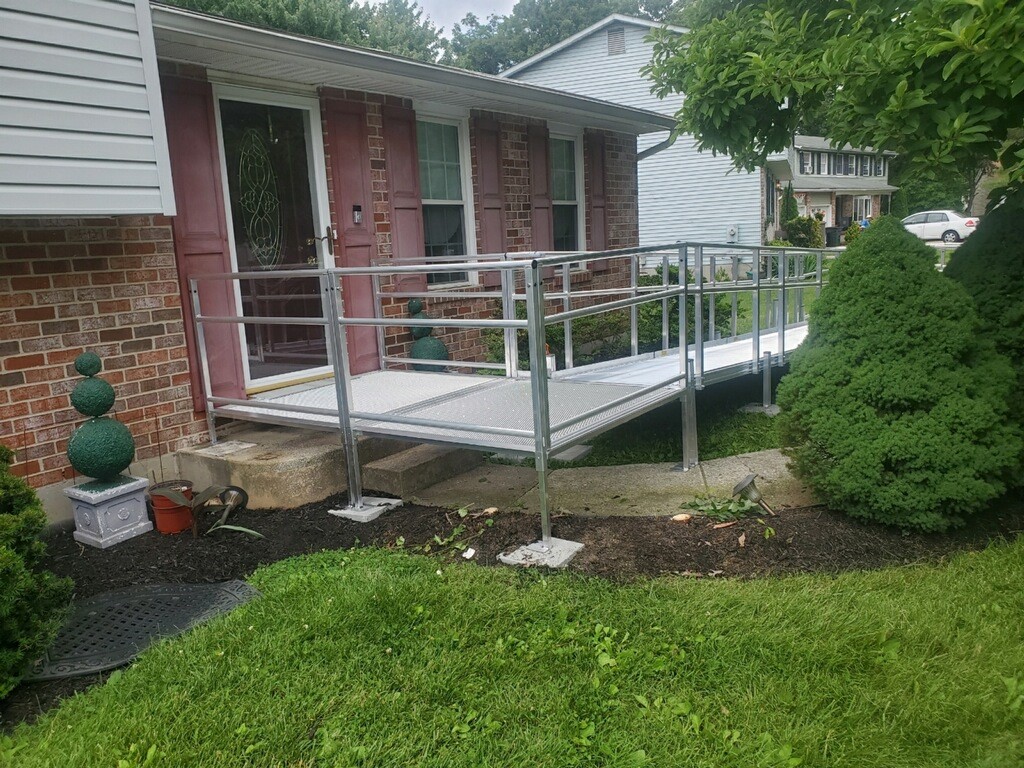
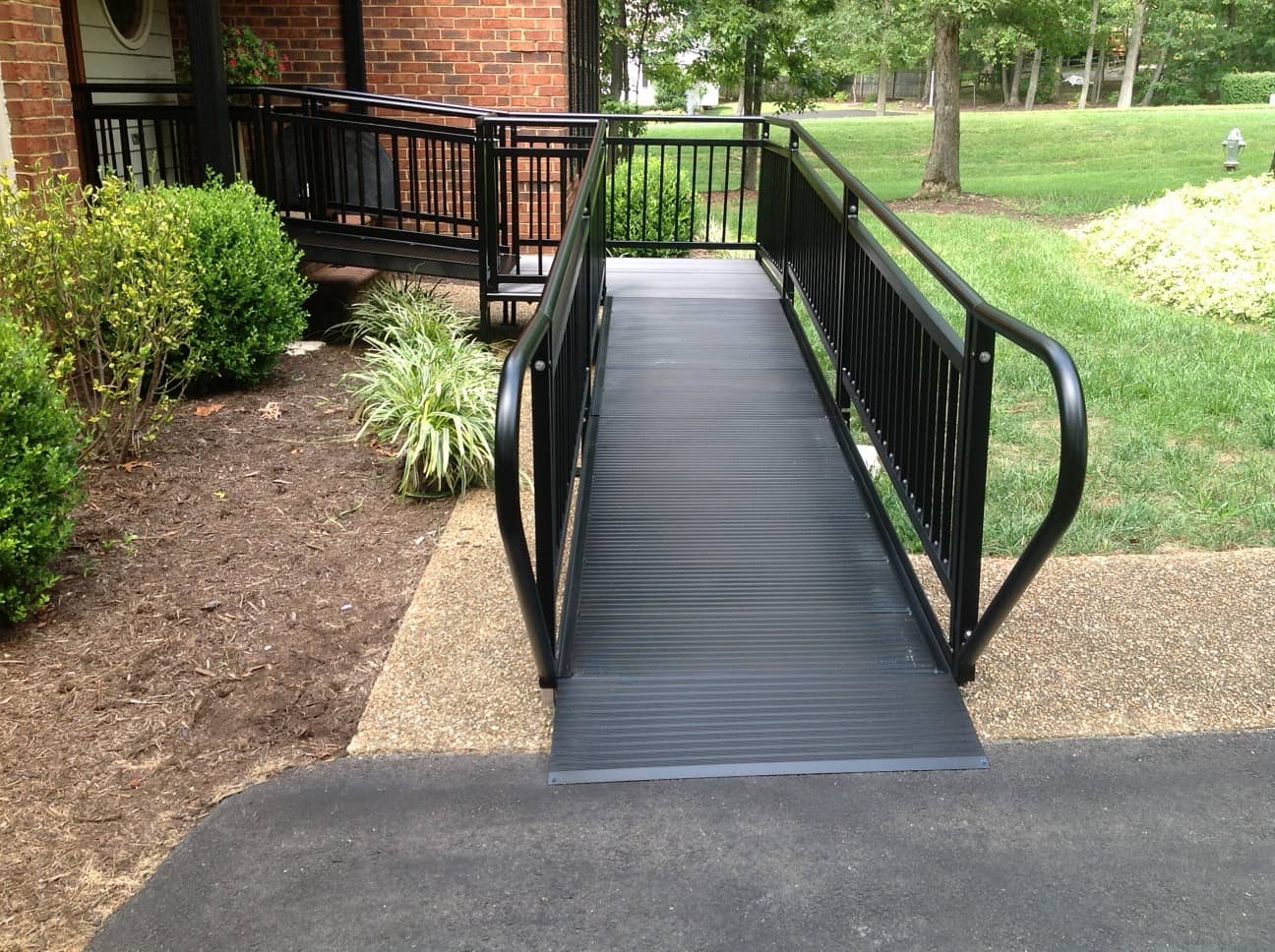
Baltimore MD ramp photo
A modular wheelchair ramp installed outside a home leading to the front door.

Mistake #4 – Underestimating Space Requirements for Your Accessibility Solutions

Accessibility is hard to envision, and that’s especially true for anyone experiencing a mobility change for the first time. But when your mobility changes, areas that were effortless to move through can become obstacles to navigate.

Even if you’re not using large mobility products like wheelchairs, you still need to think critically about how much space you’ll need. It’s best to follow ADA requirements for your accessibility needs and consult with experienced accessibility professionals.

Mistake #5 – Not Balancing Functionality and Style

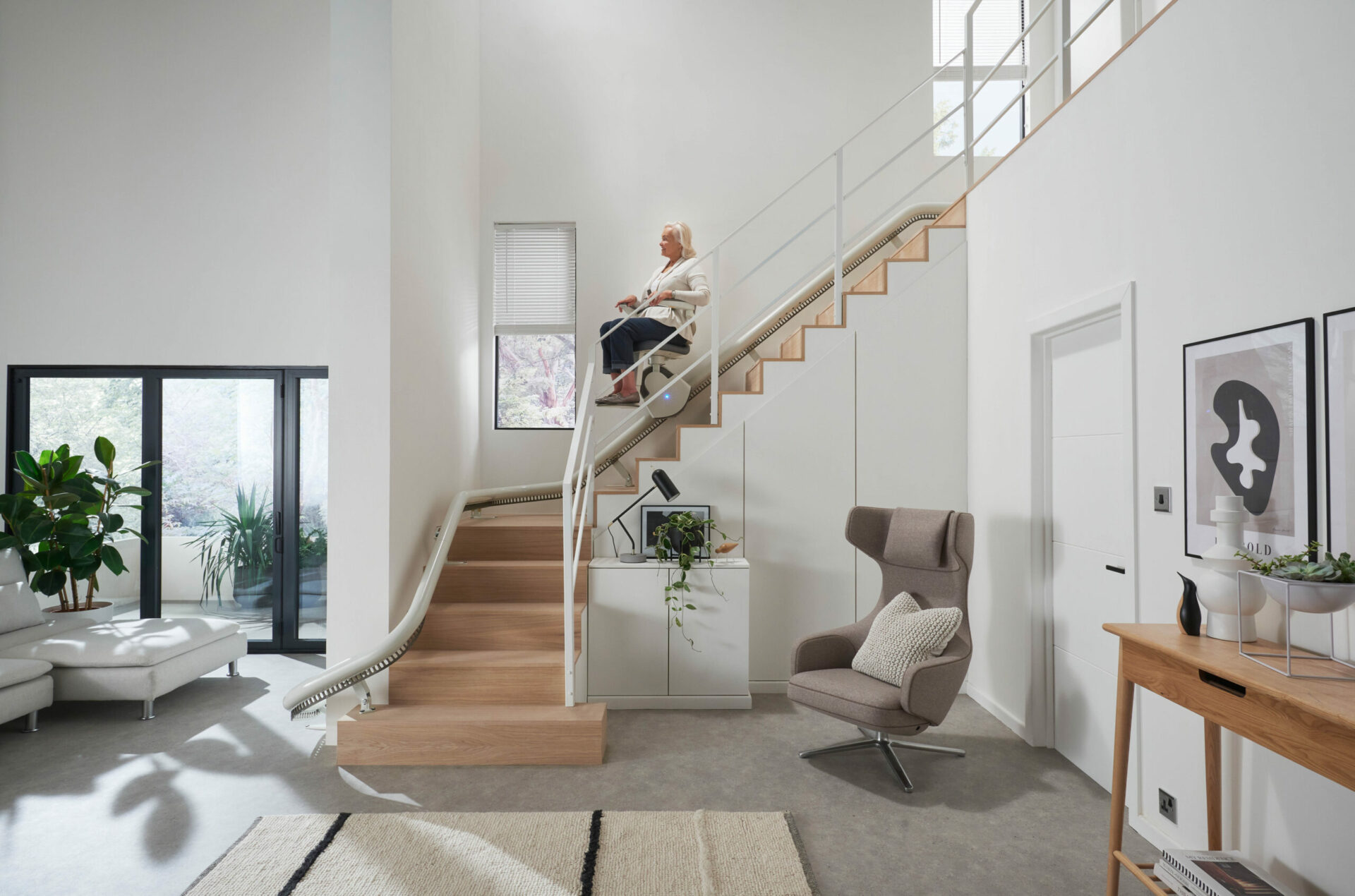
There’s a misconception that accessibility solutions have to look ugly and bulky, but this isn’t the case. Today’s accessibility products are much more aesthetically pleasing than yesteryear’s, which allows you to have much more creative freedom in modifying your home. Products like the FlexStep and the Flow X stair lift are designed to look great in any home.

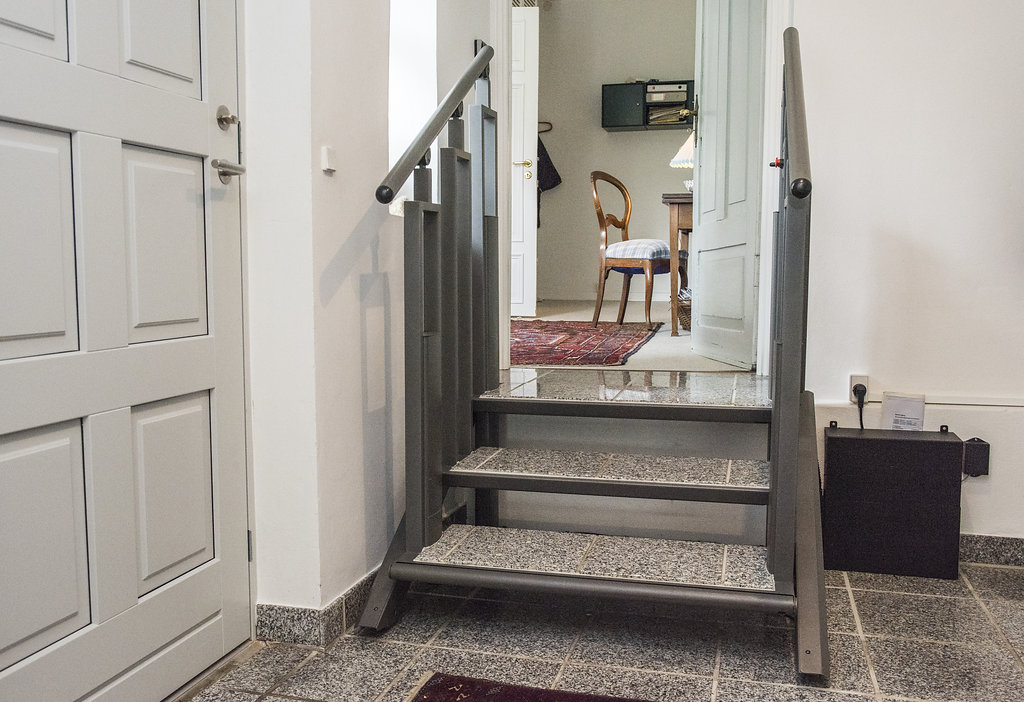
FlexStep 1
FlexStep installed in a home.

Of course your home should be fully accessible, but you should also enjoy how your home looks, and it’s easy to forget that when you’re laser focused on the technical details.

Get the Right Accessibility Solution – Custom Built for Your Needs

Avoiding home modification mistakes is easiest when you have an experienced guide at your side – that’s where we come in! Contact your local Next Day Access team to get personalized assistance every step of the way.

Patient lifts are a crucial accessibility solution that enhances safety, comfort, and independence for individuals with limited mobility. Whether they are used for daily transfers or more complex care needs, these accessibility products offer a wide range of benefits for both patients and caregivers. Keep reading as our experts from Accès le lendemain explore the key advantages of using patient lifts at home and the many ways they can be applied to improve daily life.

What Is a Patient Lift? 

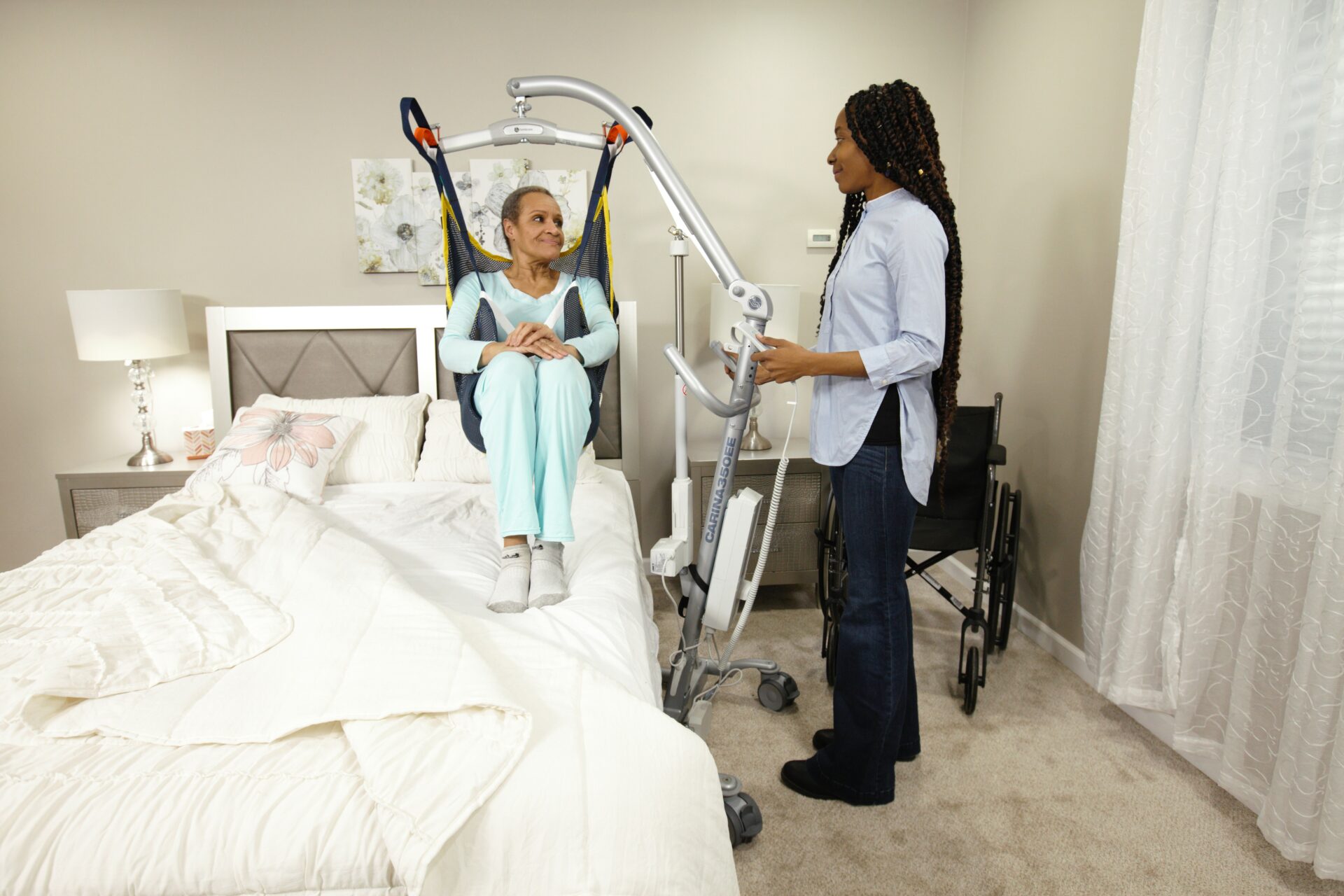
A patient lift is an essential accessibility product designed to help caregivers safely transfer individuals with limited mobility from a bed to a wheelchair, bathroom, or other areas of the home. These mobility solutions reduce the risk of injury for both the caregiver and the patient during daily transfers.

Patient lifts are available in simple configurations or can be designed to handle complex situations and give maximum flexibility for the caregiver or patient within the home. Patients can choose from a free-standing lift over a bed or in a bathroom, or a fixed-ceiling lift that can be used in a single room or installed to transfer a patient from room to room.

Benefits of Patient Lifts

Patient lifts for the home are valuable accessibility solutions that offer numerous advantages for individuals with limited mobility and their caregivers. By reducing the risk of injury during transfers, promoting greater independence and more, these devices help create a more comfortable home environment for daily care.

Reduced Risk of Injury

Patient lifts play a critical role in reducing the risk of injury during transfers by minimizing physical strain for caregivers and helping prevent accidents for patients. These mobility solutions provide stable and controlled movement, making it easier and safer to lift, reposition, or transfer individuals with limited mobility. By using patient lifts, caregivers can avoid overexertion while patients benefit from a secure transfer process that significantly lowers the chance of falling. 

Improved Patient Comfort

Transferring from one location to another becomes significantly more comfortable with the use of a patient lift. These mobility solutions offer gentle, controlled support that minimizes discomfort and reduces the physical stress often associated with manual handling. 

With properly fitted slings and smooth lifting mechanisms, a portable patient lift or electric patient lift ensures a more dignified and comfortable experience. Patients can then feel more secure and relaxed during daily movements, making these accessibility solutions an important part of quality in-home care.

Increased Independence

Using patient lifts at home can help promote increased independence for those with mobility challenges. Whether you choose a portable patient lift, a hydraulic patient lift, or an electric patient lift, these mobility solutions allow patients to participate in the transfer process. Enabling patients to position themselves or hold onto support handles helps preserve their dignity and encourages a sense of control over their daily routines. Patient lifts can foster confidence and autonomy, making everyday tasks feel more manageable and empowering while at home.

Enhanced Efficiency

Patient lifts enhance home care efficiency by making transfers faster, easier, and more manageable for caregivers. Patient lifts for homes are designed to streamline the process, allowing a single caregiver to safely complete transfers with ease, transfers that might otherwise require additional caregivers. By reducing the need for further assistance, lifts reduce the cost of hiring extra caregivers. This increased efficiency not only benefits caregivers but also creates a less disruptive experience for the patient.

Uses of Patient Lifts for Home

Patient lifts are versatile accessibility solutions that support a range of daily activities in the home. They assist with getting in and out of bed, transferring to a wheelchair, and even moving safely from one room to another. Whether navigating to the restroom, living area, or other parts of the home, patient lifts make these transitions more secure for loved ones with mobility challenges, whether permanent or temporary.

Other Home Accessibility Solutions from Next Day Access

Next Day Access offers a variety of mobility & accessibility solutions. Individuals can choose from multiple patient lifts, including the Mackworth CP440 Fixed or Portable Ceiling Lift and the Mackworth TX600 Fixed Ceiling Lift

Additionally, we deliver and install permanent and rental solutions such as platform and porch lifts, Monte-escaliers, Chaises élévatrices, and more. As a premium mobility equipment supplier, customers can trust that Next Day Access products will create a safe, accessible environment in the home. 

Transform Your Home with Next Day Access

Create a safe environment for loved ones with mobility limitations and their caregivers by installing a patient lift in your home. With over 25 years of leading the accessibility industry and 30+ locations, our experience is second to none. Our professional team members are passionate about what they do, providing folks with mobility solutions that enhance peace of mind. Contact us today, and make your home a safer place! 

Chances are, you’re looking up Americans with Disabilities Act (ADA) requirements for events because you need to make sure your event meets compliance. What you might not be thinking about is how ADA requirements can actually help you get more attendees and increase their satisfaction.

It’s crucial to understand key accessibility requirements, but it’s also crucial to understand how they bolster event success. This guide will walk you through ADA requirements for events and go over best practices for implementing accessibility solutions to improve the attendee experience.

The Importance of Accessibility in Event Venues

As of 2025, 12.2% of Americans live with mobility disabilities that make it harder for them to walk or climb stairs. And not all mobility disabilities are permanent – think of someone using crutches after breaking a bone.

For people with disabilities, planning to attend an event means being uncertain. They have to research accessibility information for events, and if that information isn’t easily found online, they have to contact the venue. If the venue isn’t accessible enough, their satisfaction with the event will plummet, and in worst-case scenarios, they won’t be able to attend at all.

Ultimately, accessibility is about ensuring that as many people as possible can enjoy your events.

Accessibility Checklist for Event Spaces

Our accessibility checklist for events is a handy way to understand the major ADA requirements for events.

We’ve broken this checklist into two categories: physical accessibility and communication accessibility. In each category, you’ll find a summary of the main requirements and the relevant ADA sections so you can get all the info you need.

Physical Accessibility

The ADA’s physical accessibility requirements ensure that individuals with disabilities can easily enter, navigate, and exit event spaces. We’ve included important rules and regulations here, but keep in mind that these can vary depending on your event space, so it’s best to familiarize yourself with the ADA to meet compliance.

Entrances and Exits

Per Section 404 of the ADA, doors generally must have a clear width of at least 32 inches when opened 90 degrees. If the door opening is more than 24 inches deep, then the clear width must be at least 36 inches.

The door hardware (usually a door handle) must allow people to open the door with one hand and without “tight grasping, pinching, or twisting of the wrist.” There are additional requirements for aspects like closing speed, opening force, and door type.

Keep in mind that select NDA locations can help improve your entrance and exit accessibility through door widening services and automatic door openers. Our team of experts will ensure all adjustments meet ADA requirements

Accessible Pathways

All accessible pathways should be continuous and unobstructed. This often means utilizing accessibility products like Rampes commerciales both inside and outside.

ADA Section 402 states that accessible routes may consist of walking surfaces with a slope no steeper than 1:20, doorways, ramps, curb ramps, and platform lifts. Accessible routes outside a venue must connect parking spaces to accessible entrances.

For entrances and exits that are regularly accessible only by stairs, you may need to install mobility solutions like vertical platform lifts for people who use wheelchairs or walkers. 

Parking

The ADA requires not only accessible parking spaces but also accessible aisles to allow for people with disabilities to easily enter and exit their vehicles. These access aisles must be the same length as – and level with – the parking space. They must also be clearly marked.

According to ADA Section 502, compliant parking spaces need to be at least 96 inches wide. Spaces should also have firm, slip-resistant surfaces and have signage at least 60 inches above the ground. You can find more details on the ADA website.

Seating

Event spaces must have accessible seating that’s wide enough to accommodate wheelchairs. As stated in ADA Section 802, a single wheelchair space must be at least 36 inches wide, and side-by-side wheelchair spaces must be at least 33 inches wide each. Wheelchair space depth varies depending on how the space can be entered.

The ADA also has specific regulations for ticketed seats, namely that accessible seats need to be sold in the same manner as all other seats, and vendors cannot charge more for accessible seats.

Restrooms

Restroom regulations depend on whether the room contains a toilet and/or bath. Accessible toilets need to be between 17 and 19 inches above the floor with flush controls on the open side. Stalls should be at least 60 inches wide. ADA Section 213 and ADA Section 603 both contain more information about restrooms.

Elevators

Accessible elevators must be at least 68 inches wide by 51 inches deep (or 80 inches wide if the doors are center-opening). There must also be accessible panels with tactile characters and braille as outlined in ADA Section 407.

Communication Accessibility

Communication accessibility includes audio and visual aids for people with vision or speech impairments. (The ADA’s page on effective communication goes into more detail.)

Communication Methods

For people who are Deaf or hard of hearing, venues must provide accessibility services like a qualified American Sign Language interpreter, assistive listening devices, written materials, or captioning.

Signage

The ADA requires accessibility signage to be posted in specific places, like parking spaces and elevators. Typically, the signage must feature both visual and tactile characters and be mounted at a certain height. The exact regulations vary depending on the type of signage. All accessibility language for events should be clearly written and visible, and you can also consider an accessibility statement for events to compile that information for attendees.

Trust Next Day Access for Commercial Accessibility Solutions

ADA requirements for events are best understood by taking a look at the sections that apply to your event space. Alternatively, your local Next Day Access team can provide you with a free, personalized evaluation so you can completely eliminate the guesswork. With nearly 30 years of experience as a mobility equipment supplier, we’ll make sure your venue is fully equipped to accommodate each and every one of your attendees.
Schedule a consultation and Nous contacter today – we’ll take it from there!

Whether it’s permanent or temporary, installing a wheelchair lift on your vehicle promotes safety and independence as you face mobility challenges. When making this investment, it’s crucial to choose the right wheelchair lift for your vehicle and evolving needs. Join next Accès le lendemain experts below as we share more about the wheelchair lifts for vans, cars, and all vehicles that are on the market!

Benefits of Wheelchair Lifts for Vehicles

Installing a wheelchair lift for cars can be life changing for those facing mobility challenges as well as their caregivers. Whether you choose an interior or exterior lift, it will offer a range of benefits such as increased independence and safety, reduced risk of injury, mobility device protection, and more.    

Increase Mobility & Independence

Whether you temporarily need a lift or you are looking for a permanent solution due to ongoing mobility challenges, maintaining your independence is a top priority. Investing in a wheelchair lift for your car allows you to easily load and unload your wheelchair on your way to work, appointments, or social events. While leaning on the help of friends, family, or kind strangers to load your mobility products may work for a short while, installing a wheelchair lift is beneficial in the long run. 

Preserve Energy 

Loading and unloading mobility products can be exhausting. A wheelchair lift allows you to preserve your energy by doing the heavy lifting for you. No more worrying if you or your family will be able to lift or transport your wheelchair or scooter – with automobile wheelchair lifts, that is always taken care of. 

Reduce Risk of Injury 

Protect yourself or anyone helping you transport your mobility solutions by using a wheelchair lift for your van or car. Using a lift to haul your wheelchair in and out of your vehicle decreases the chances of injury from a clumsy transfer. Instead, you can depend on the secure systems of the lift to safely move your device. 

Protect Your Wheelchair  

Safeguarding yourself is crucial – but protecting the investment you made in your mobility device is also important. Unfortunately, when wheelchairs aren’t properly stored in a moving vehicle, they can be damaged. There is also a risk of damage if wheelchairs aren’t correctly transferred. By properly storing your wheelchair with a lift for cars, you prevent the wear and tear that otherwise might occur. 

Types of Vehicle Lifts

There are various types of wheelchair lifts for cars, the main distinction being interior or exterior. Each type is designed to comfortably load and unload mobility equipment from all types of vehicles and cars. 

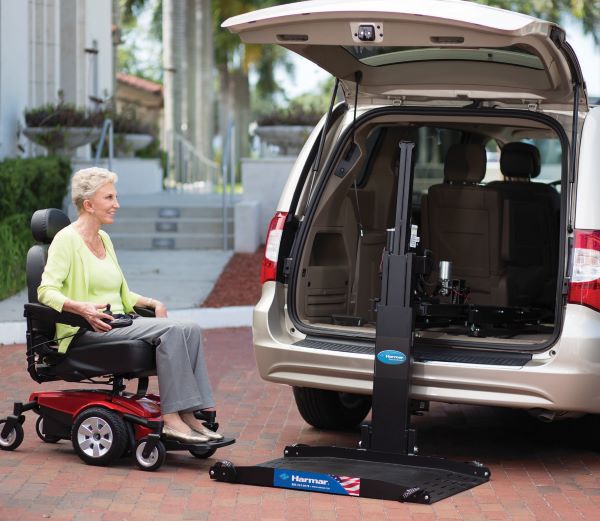
Interior wheelchair lifts are installed inside the vehicle and store the wheelchair in the trunk or backseat. They’re a great option for those who want to protect their mobility solutions from harsh elements and road conditions by keeping them inside the vehicle. For example, the Bruno Joey Vehicle Lift raises mobility devices into the cargo area of the vehicle. Some options still allow for ample interior space, such as the Bruno Curb-Sider Vehicle Lift, which maintains third-row seating when a mobility device isn’t present. 

Exterior wheelchair lifts are attached to the outside of the vehicle, generally on the back of the car. These lifts allow for easy transport of a wheelchair without using up interior space, making them ideal for larger mobility devices or vehicles with limited room inside. There are various types of exterior lifts, such as the Bruno Chariot Vehicle Lift and Bruno Out-Sider Vehicle Lift.

Things to Consider when Choosing an Automobile Wheelchair Lift

When looking for permanent accessibility solutions for wheelchair transportation, there are a few considerations to keep in mind. From specifications to ease of use and installation, thinking about these details ahead of time will ensure you invest in the right product for you.  

Specifications

Weight Capacity: Make sure your lift can safely handle the weight of your wheelchair. Some are designed for lightweight devices, such as manual wheelchairs, while others can support heavy duty scooters. 

Vehicle Compatibility: You will want to double check that the lift you pick is compatible with the make and model of your vehicle. Certain lifts are designed for larger cars, such as SUVs and minivans, while others work perfectly with compact cars. 

Platform Size or Lift Arm Reach: The platform or arm of your lift must be large enough to fit the size of your wheelchair. Be sure to measure the length, width, and height of your mobility device, ensuring the lift has adequate surface area to support it safely.

Ease of Use

Select a wheelchair lift that is easy to use with your physical abilities for the foreseeable future. Some lifts require you to manually attach or adjust your chair, while others are automated for ease of use. If you currently have limited strength, or foresee your mobility needs changing in the future, a fully automated wheelchair lift would be the better choice for you. 

Installation & Pricing

With Next Day Access, a top trusted mobility equipment supplier, there is a vehicle wheelchair lift to fit every budget – we’ll match you with the right model and ensure it’s professionally installed! With flexible financing and rental options, we’ll make sure your lift meets your needs and works for your vehicle. Schedule a free on-site consultation with our team of accessibility experts. 

Schedule A Free On-Site Consultation for a Vehicle Lift Today

Are you ready to have reliable transportation for both you and your wheelchair or mobility device? Locate a Next Day Access location near you to find the accessibility and mobility products you need. If you’re not sure which wheelchair lift is right for your car, we’d be happy to visit you to assess your needs and options. Schedule a free consultation today! 

Responsive Installation by Our Experts

You found the right wheelchair lift for your vehicle, but how do you ensure it’s installed safely and correctly? Let Next Day Access take care of it. Our team members are trained by manufacturers and stay up to date as accessibility products develop or updates are made to current offerings. Our on-site consultations – often available as soon as the next day – and responsive, expert installation ensure you don’t have to wait long to load your wheelchair with confidence.

Installing a stair lift in your home promotes safety and independence as you age or face various health challenges. When making this investment, it’s crucial to choose the right stair lift for your home and evolving needs. From types of stair lifts to considerations when making a purchase, the experts from Accès le lendemain are here to answer some common questions, such as:

  • What is a stair lift?
  • When should I buy a stair lift?
  • How do I choose a stair lift for my house?
  • And more!

What Is a Stair Lift? 

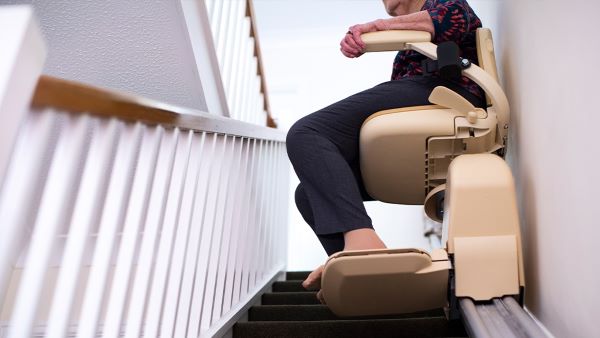
Monte-escaliers allow you to move confidently and safely from level to level, helping individuals maintain independence in their homes. A Stair lift is a motorized chair that goes up and down stairs, attached to a track to ensure security and smooth movement. With safety as a top priority, stair lifts also include seatbelts, easy-to-use controls, and swivel seating. For those looking for permanent accessibility solutions, a home stair lift installation is a wise investment. 

Types of Stair Lifts

Whether you have a straight or curved staircase, there is a stair lift to fit your needs and your home’s layout. When looking at types of stair lifts, it’s important to consider the shape of your staircase, the size of your home, and the level of customization you’d prefer throughout the installation. Learn more about your stair lift options from Next Day Access:

Straight Stair Lifts

Straight stair lifts work best for staircases that run in a straight line without any turns, landings, or curves. They come with a standard, straight rail that is simple to install. Straight stair lifts also tend to be more affordable than other products on the market, in large part due to their standardized design and easy installation. 

While they may not be as personalized as other types of stair lifts, products such as the Bruno Elan Indoor Straight Stair Lift offer many benefits such as a foldable seat, arm rest, and foot rest, as well as a continuously-charging battery, even in a power outage.

Curved Stair Lifts 

Curved stair lifts are designed for staircases with curves, corners, or landings and require a custom-built rail to fit the exact measurement of your staircase. Many customers choose a curved stair lift if they are looking for a less intrusive accessibility product. For example, the Harmar Helix Curved Stair Lift offers customization options while taking up minimal space. 

Due to the high level of customization, this option will be more costly as it requires more time to manufacture and install. Nevertheless, it remains the ideal option for homes with complex staircases or homeowners who value customization and style. 

What to Consider When Choosing a Stair Lift for Your Needs

If you’re asking yourself, “How do I choose a stair lift for my home?” – you’ve come to the right place! When deciding between the different types of stair lifts, there are a few considerations you should keep in mind. From the location of your stairs and customization options to your budget, the details below will help you determine the right option for your family and home. 

Location of Stairs

The location of your stairs will play an important role in determining which accessibility products are right for you. If you have a narrow staircase or it’s located in a high-traffic area, you will want to purchase a model that has space-saving features, such as the Bruno Elite Indoor Straight Stair lift or Access BDD HomeGlide Stair lift. There are also accessibility solutions designed specifically for outdoor staircases, like the Harmar Outdoor Stair Lift and Bruno Elite Outdoor Straight Stairlift. Be sure to think about how your home and staircase are typically used before making a decision!

Customization Options

If you’re concerned about the look, size, or comfort of your stair lift, you can choose a customizable option. For example, the Access BDD Flow X Stair lift is known for its many customization and design options. With this accessibility product, you can choose a fabric color that matches your home, all while taking up minimal space. 

There are also different rail options available, including folding rails that save you more space. And if comfort is a concern, you can choose between basic vinyl seating or premium fabrics to make your ride a bit more cozy!  

Safety Features

From seatbelts and safety sensors to emergency stop buttons, adjustable speeds, and weight capacities, stair lifts are built to keep passengers safe. When shopping for your home accessibility products, consider the needs of the passenger and which safety features are most important. Additionally, you can schedule a free on-site safety assessment with the Next Day Access team to guarantee you get the right lift for your home and your loved one!

Pricing & Budget

With Next Day Access, there is a stair lift that matches your budget. Thanks to our various models and levels of customization, we can find what you need at the price you need – backed by flexible financing options. If you’re not ready to purchase, we also offer stair lift rentals to maintain your safety and independence. Our team of experts is here to help you make the best decision for your budget and home. 

Get a Free On-Site Assessment With Next Day Access

Are you ready to make your home safe and accessible for all? Locate a Next Day Access location near you to find the accessibility and mobility products you need. If you’re not sure what accessibility solutions are right for your living environment, we’d be happy to visit your home to assess your needs and space. Schedule a free consultation today! 

Responsive Installation by Our Experts

You found the right stair lift for your house, now how do you ensure it’s installed safely and correctly? Let Next Day Access take care of it. Our team members are trained by manufacturers and stay up to date as new mobility products and accessibility solutions are developed or existing ones are updated. Our expert onsite assessments – often as soon as the next day – and local installation teams provide responsive installation and support so you can use your new stair lift with confidence!

Choosing between a permanent or temporary wheelchair ramp might feel overwhelming. The right selection depends on your specific needs, lifestyle, and property. While both temporary and permanent handicap ramp options offer reliable accessibility solutions, they both come with their own benefits and limitations. Whether you’re seeking a temporary solution or a long-term mobility access upgrade, the experts from Accès le lendemain are here to help! 

Temporary Wheelchair Ramps

Temporary wheelchair ramps offer a convenient way to improve accessibility without the long-term investment. These ramps offer the same level of safe, dependable accessibility as permanent ramps –– but save you upfront money by renting. This makes them perfect for renters, travelers, or anyone facing temporary mobility challenges due to injury or illness. 

Whether you’re accommodating a guest with mobility challenges or recovering from an injury, a temporary ramp rental provides the flexibility to meet your needs without the commitment.  

Key Features

Temporary wheelchair ramps are designed to provide you with accessibility solutions for as long as you need them. Temporary ramps are known for being reliable, safe, and available for rent. Many models also offer non-slip surfaces and adjustable lengths to accommodate various entryways. These rentable handicap ramps offer the same accessibility as permanent ramps without the upfront cost. 

Pros vs Cons

When selecting the right accessibility products for your home or business, it’s important to weigh the pros and cons of each option. Below are a few details to keep in mind when making your purchase decision:

Pros:

  • Portability Options: Some temporary wheelchair ramps are portable. This lightweight and easy to transport option is ideal for travelers or individuals who occasionally host guests with accessibility needs.
  • Available to Rent: Businesses like Next Day Access offer wheelchair ramps for rent. This allows you to receive the same quality of permanent solutions for a fraction of the price. 

Cons:

  • Temporary Solution: Of course, these ramps are not permanent solutions to mobility or accessibility challenges. Consider the reality of your long-term needs and if a permanent ramp is more realistic.
  • Aesthetic Impact: Temporary wheelchair ramps may not blend well with home or business exteriors and can look more utilitarian compared to permanent installations.

Permanent Wheelchair Ramps

A permanent wheelchair ramp is a fixed structure designed to provide reliable, long-term accessibility solutions to homes, businesses, and public buildings. Our aluminum wheelchair ramps are ideal for individuals with ongoing mobility needs or those who use a wheelchair full-time. 

Permanent handicap wheelchair ramps are a smart investment for property owners looking to enhance accessibility, safety, and compliance with ADA guidelines over the long haul.

Key Features

Permanent wheelchair ramps offer durable and dependable mobility solutions for both residential and commercial settings. These wheelchair ramps are a popular choice for their key features of strength, weather resistance, and customization options. A permanent wheelchair ramp is custom-built to fit the property’s layout, ensuring a safe slope, handrails, and transition from ground level to entryway. Designed to meet ADA standards, these handicap ramps provide a long-term solution for fair accessibility.

Pros vs Cons

Permanent wheelchair ramps are an investment, both financially and in the long-term accessibility of your property. Be sure to weigh the pros and cons of this option before making any decisions. 

Pros:

  • Durability: Permanent wheelchair ramps are built to last, offering a stable and reliable accessibility solution for long-term mobility needs, all while meeting ADA standards.
  • Custom Fit: These aluminum wheelchair ramps are tailored to the specific layout and design of a property, ensuring safety, compliance, and a more stylish design.

Cons:

  • Installation Costs: Installation of a permanent ramp typically involves a greater upfront investment in materials and labor.
  • Lack of Flexibility: Due to their permanent nature, these handicap ramps cannot be easily moved or adjusted after installation. 

Things to Consider When Finding Your Accessibility Solution

Still not sure about the best wheelchair ramp for you? We know that this might feel like a big decision, so take a look at the considerations below to decide if you need a temporary or permanent wheelchair ramp: 

  • Think about whether you need a short-term or long-term accessibility solution based on your recovery, living situation, travel plans, or evolving medical needs.
  • Consider how often accessibility will be required — occasional guests may need different solutions than daily users.
  • Factor in whether you need a temporary option that avoids permanent changes to your property or rental space.
  • Ensure the solution meets any legal or safety requirements for homes, businesses, healthcare facilities, or public spaces.

Invest in Accessibility Solutions with Next Day Access!

Whether you need a permanent or temporary wheelchair ramp, the Next Day Access team is here to help you find the right accessibility solutions. We proudly supply and expertly install the best residential and commercial accessibility and mobility equipment for customers ready to improve access and regain independence. Trouver un lieu near you to schedule a free on-site consultation today!

Preparing for surgery recovery is an exhausting process. From planning time off from work to scheduling follow-up appointments and more, often the last thing on your mind is finding temporary accessibility products to support your healing. Depending on the type of surgery you need, you may face various physical limitations and mobility needs. 

Before you stress about the best accessibility solution, the team of experts at Accès le lendemain, a trusted mobility equipment supplier, has detailed everything you need to know. Keep reading for valuable information about temporary mobility and accessibility aids for your post-surgery recovery. 

Mobility Aids

Mobility aids are designed to help you move around more easily as you recover from surgery. They assist with walking, standing, or traveling from one place to another, focusing on the physical transportation of the body. Learn more about various mobility aids on the market below, then be sure to discuss the safest options for your unique recovery with a physician or physical therapist before making any purchases. 

Fauteuils roulants

A wheelchair is a smart solution for surgery recovery for patients looking to minimize strain on the body – especially after procedures involving the legs, hips, back, or feet. For those with limited energy, using a wheelchair can help prevent falls, reduce fatigue, and avoid any setbacks during the healing process. It’s especially helpful if walking aids like crutches, walkers, or scooters feel too demanding or unsafe.

However, it’s important to consider the home environment. If your living space is too tight or has narrow doorways, a standard wheelchair might not be the best fit. In those cases, more compact mobility aids or even minor home modifications might be needed to ensure both comfort and safe accessibility during recovery. 

Scooters

A mobility scooter can be an excellent option for surgery recovery. This option is ideal for individuals who have enough upper body strength and balance to sit upright, but still need help moving around. Mobility scooters are perfect for patients who tire easily or are recovering from procedures that make walking painful or unsafe. 

They’re also especially helpful for maintaining independence outside the home, like running errands, getting back to work, or attending follow-up appointments. Please note that, much like wheelchairs, mobility scooters may require extra space in the home for movement and storage.

Bathroom Accessibility

Keeping your bathroom safe and accessible after surgery should be a top priority. For aging adults, about 80% of falls in the home occur in the bathroom. To avoid any lapse or danger in your recovery, have the appropriate bathroom accessibility products ready to go when you return home.  

Barres d'appui

Barres d'appui provide necessary stability during surgery recovery, especially when using the toilet, getting in and out of the shower, or standing at the sink. After surgery, even simple movements can feel unsteady or painful. This is where grab bars come in handy, helping reduce the risk of slips and falls in one of the most accident-prone areas of the home. 

Douches portatives

Proper hygiene is essential during surgery recovery, both for wound care and comfort. However, some patients may not be able to safely get in and out of their home shower. Designed for easy setup without permanent installation, Douches portatives are a great accessibility solution as they can be placed in various locations within the home, provided there’s access to a standard sink faucet. 

They feature non-slip floors and secure handrails, enhancing safety for patients in recovery. This flexibility is particularly beneficial for those with limited mobility or those who rely on wheelchairs, as it eliminates the need to navigate tight, hazardous bathroom spaces. Additionally, the compact design of portable showers allows for convenient storage when not in use, making them a practical choice for temporary recovery needs.  

Home Accessibility

Aside from keeping the bathroom safe, patients recovering from surgery might need other accessibility products to get in and out of their homes. Ensuring you have a secure entrance and exit, whether with a temporary wheelchair ramp or stairlift rental, will promote both independence and a sound recovery. Below are a few options to consider when preparing for surgery! 

Temporary Wheelchair Ramps

For patients who will utilize a wheelchair while in recovery, temporary wheelchair ramps provide safe access to the home without the investment of permanent solutions. Temporary wheelchair ramps are designed to provide safe and independent access to entryways, garages, and other areas throughout the house. These handicap ramps are ADA-compliant and can be installed quickly, often within a few hours, minimizing disruption to daily activities. Their modular design fits in various home layouts, ensuring a secure and reliable mobility solution during the recovery period.​

Stairlift & Temporary Wheelchair Ramp Rentals

When looking into temporary accessibility products, planning to rent rather than purchase might be the best option for you. Companies such as Next Day Access offer wheelchair ramp rentals, stairlift rentals, vehicle lifts, and more. Whether it’s for a week, a month, or an undetermined period of time, you can trust that your rental equipment is safe, secure, and ADA-compliant. Whatever your situation is, we can help you navigate the best mobility solution. 

How to Choose the Right Accessibility Solution

When choosing the right accessibility solutions for surgery recovery, it’s important to consider the type of surgery you’ve had and how it impacts your mobility and daily routine. Start by consulting with your healthcare provider or physical therapist. They can recommend specific tools that will best support your unique recovery. 

Additionally, think about what will be most comfortable and practical in your home environment, whether it’s mobility solutions, a bathroom safety product, or a temporary wheelchair ramp. The best accessibility solution is one that not only helps you heal safely but also fits seamlessly into your lifestyle, promoting independence throughout your recovery process.

Schedule a Free On-Site Consultation Today!

Are you interested in learning more about which temporary accessibility solutions will work in your home? Schedule a free on-site consultation with Next Day Access, a mobility equipment supplier that has been trusted in the industry for decades. Whether you’re looking for a wheelchair ramp for rent, mobility solutions, or bathroom accessibility products, our local teams of experts are ready to address your needs!

JACKSONVILLE, FLORIDA, UNITED STATES, marzo 25, 2024 – Next Day Access is proud to announce the opening of the Next Day Access Northeast Florida franchise location.

Next Day Access is expanding to three Florida locations with northeast Florida joining the mix. Drew and Cathy Jolly are the owners of this new location, serving Jacksonville, Gainesville, Daytona Beach, and surrounding areas.

After getting out of the US Coast Guard, Cathy and Drew met and fell in love, getting married in 1997. The first seventeen years of their marriage, they lived in the Tallahassee area while raising their family but moved to Jacksonville, FL for Drew’s career in Information Technology. Five years later, the Jolly family wound up in a difficult situation.

“In 2019,” Drew recounts, “my father was diagnosed with leukemia and his health quickly turned for the worse.” The Jolly’s were able to move his father in, where they were blessed to have him spend the last year together. “We had no idea what to do or expect; we had never prepared for anything like this,” Drew says. A military man himself, he got connected with the Jacksonville VA, which he calls a godsend for how they aided him in organizing treatment for his father. One thing the Jolly’s noticed during this experience is that there are many unfortunate decisions that all care givers must make, and the VA helped them navigate those decisions with minimal stress.

With their new perspective on life, they decided that now is the time to make a positive impact on the world, and they believe Next Day Access will help them make their dream a reality. “We will provide accessibility solutions to help our neighbors stay in their homes as long as possible, which will improve their quality of life,” Drew states. “I have a passion for helping people.” The Jolly’s are looking forward to helping their northeast Florida neighbors for many years to come.

Next Day Access Northeast Florida will focus on providing accessibility and mobility solutions to individuals of all ages across the area. They provide a range of custom accessibility & mobility solutions for residences and businesses such as wheelchair ramps, stair lifts, grab bars, vertical platform lifts, pool lifts, and in-home elevators.

To learn more about Next Day Access Northeast Florida, visit their website:  www.nextdayaccess.com/jacksonville-fl

À propos de l'accès le jour suivant

Next Day Access is a local provider for accessibility and mobility solutions for homes and commercial businesses. With over 38 franchise locations across the United States and Canada, their goal is to help aging loved ones and people with limited mobility and disabilities live safely, comfortably, and independently in their homes. Learn more by visiting nextdayaccess.com.  

Avis des clients

FrançaisEspañolEnglish