
Entrez votre terme de recherche ci-dessus.

For many veterans who have bravely served their country, transitioning back to civilian life can be a challenging journey. However, the companionship and support of a service dog has been shown to make a remarkable difference in the lives of these individuals.

Making the Impossible Possible with Service Dogs

The transformative power of service dogs goes beyond words – they offer unwavering support, understanding, and a profound bond that helps veterans regain control of their lives.

  1. Physical Assistance and Mobility Support: Service dogs are trained to perform a wide range of tasks to assist veterans with physical disabilities. These trained companions can retrieve items, turn on lights, and provide stability if Monte-escaliers or wheelchair ramps are not present. By offering these practical aids, service dogs empower veterans to regain their independence.
  2. Emotional Support and Mental Health Benefits: The bond between a veteran and a service dog extends far beyond physical assistance. These animals provide emotional support to veterans struggling with post-traumatic stress disorder (PTSD), anxiety, depression, or other conditions. Service dogs can sense emotional distress and provide a calming presence, helping veterans manage their symptoms and reduce anxiety levels.
  3. Improved Social Interaction and Reintegration: Many veterans face challenges when reintegrating into society and rebuilding their social connections. Service dogs act as social facilitators, breaking down barriers and easing social interactions. These furry companions serve as conversation starters, providing veterans with an opportunity to engage with others and overcome feelings of isolation. Service dogs help veterans forge meaningful connections within their communities.
  4. Enhanced Quality of Life and Increased Independence: Service dogs enable veterans to lead more fulfilling and independent lives. By performing specific tasks and offering emotional support, these trained animals help veterans overcome daily obstacles and navigate their environments. This newfound independence boosts their self-esteem and fosters a sense of empowerment, allowing veterans to pursue their goals and aspirations.
  5. Training and Certification: It’s important to note that service dogs undergo extensive training to meet the specific needs of veterans. Organizations such as Canine Companions for Independence, America’s VetDogs, and K9s For Warriors provide training and certification programs for service dogs. These organizations meticulously match dogs with veterans based on individual requirements.

Providing Lifelong Companionship

The impact of service dogs on the lives of veterans is immeasurable. These incredible animals provide vital physical assistance, emotional support, and companionship, helping veterans overcome challenges and embrace a brighter future. If you or someone you know is a veteran in need of assistance, exploring the option of a service dog can be life-changing.
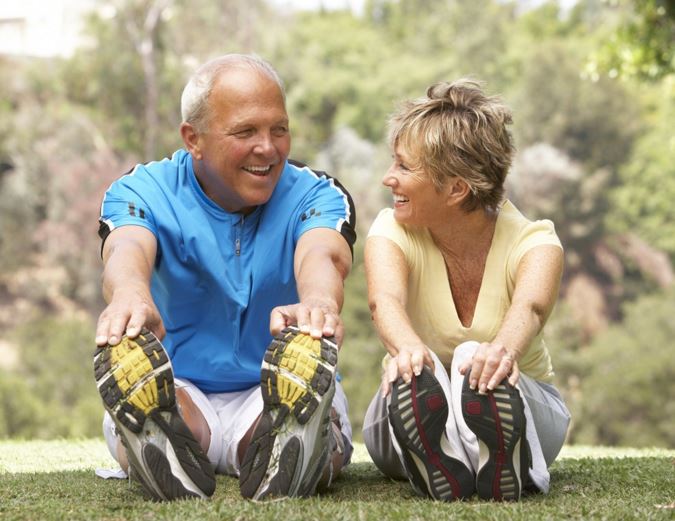
As we age, it becomes increasingly important to maintain our physical health and well-being. Engaging in regular exercise not only keeps our bodies strong but also promotes overall vitality. In this article, we will explore the often-overlooked exercise of push-ups and how they can benefit elderly individuals. So, if you’re ready to discover a simple yet effective way to enhance your fitness, read on!

The Power of Push-Ups for Elderly

Push-ups are a classic exercise that primarily targets the upper body, including the chest, shoulders, triceps, and core muscles. However, the benefits of push-ups extend beyond just building muscle strength. Push-ups for elderly also improve posture, enhance bone density, and boost cardiovascular health.

If you’re new to push-ups or concerned about performing them as an older adult, fear not. There are several modifications and adaptations that can make push-ups accessible and safe for individuals of all fitness levels. For instance, you can start with incline push-ups using a sturdy piece of furniture or a wall, gradually progressing to traditional push-ups on the floor.

Increased Bone Density

One of the biggest concerns for the elderly is maintaining bone health. Push-ups, being a weight-bearing exercise, stimulate bone growth and help combat age-related bone loss. Stronger bones mean reduced risk of fractures and osteoporosis, allowing you to lead an active and independent lifestyle.

Improved Balance and Stability

As we age, maintaining balance and stability becomes crucial for preventing falls and injuries. Push-ups engage the core muscles and promote better balance, helping you navigate daily activities with confidence. Incorporating push-ups into your exercise routine can contribute to improved overall stability and coordination.

Boosted Energy Levels

Regular physical activity, including push-ups, has been shown to increase energy levels and reduce fatigue. Engaging in this simple exercise can help you feel more energized throughout the day, allowing you to participate in activities you enjoy and maintain an active social life.

The Role of Mobility Products

Incorporating push-ups into your fitness routine may require some modifications to accommodate individual mobility needs. Accès le lendemain is a leading provider of mobility products such as wheelchair lifts, grab bars, and more, designed to enhance accessibility and safety at home. By investing in these products, you can create a supportive environment that allows you to engage in exercises like push-ups confidently.

Make The Fitness Change

It’s never too late to start prioritizing your health and fitness. By incorporating push-ups into your exercise routine, you can experience numerous benefits such as increased strength, improved bone density, enhanced balance, and boosted energy levels. Remember, if you have specific mobility needs, Next Day Access offers a range of mobility products that can help you create an environment that promotes safe and effective exercise. Embrace the power of push-ups and embark on a journey to a stronger, healthier you!

Note: This article is purely informative and should not replace professional medical advice. Always consult with a healthcare professional before starting any new exercise regimen, especially if you have pre-existing health conditions.

Implementing ways to prevent falls in your home is crucial, especially for senior citizens who may be more vulnerable to accidents and injuries. By implementing simple yet effective safety measures, you can create a secure environment that minimizes the risk of falls.

Install Wheelchair Ramps

For seniors with mobility challenges, installing Rampes pour fauteuils roulants at entrances can greatly enhance accessibility and prevent falls. These ramps provide a smooth transition from outdoor to indoor spaces, eliminating the need to navigate steps or uneven surfaces. Consider consulting with professionals to determine the appropriate ramp design and ensure compliance with safety standards.

Utilize Grab Bars in the Shower

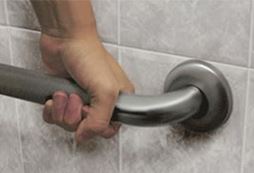
Bathrooms can be high-risk areas for falls, particularly in wet and slippery conditions. Installing Barres d'appui in the shower and around the toilet area can provide crucial support for seniors when maneuvering in these spaces. Ensure the grab bars are securely mounted to the wall and capable of bearing weight. Additionally, consider using non-slip mats or adhesive strips in the shower or bathtub to reduce the risk of slipping.

Consider Stairlifts

Staircases pose a significant fall hazard for seniors with mobility limitations. Installing stairlifts can help individuals navigate stairs safely, eliminating the need to climb or descend them independently. Monte-escaliers provide a comfortable and secure seated platform that moves along a track, allowing seniors to access different levels of their homes effortlessly. Consult with professionals to choose the right stairlift model and ensure proper installation.

Ensure Adequate Lighting

Good lighting is essential for fall prevention in the home. Poorly lit areas increase the risk of trips and missteps. Install bright, energy-efficient lighting throughout your home, paying particular attention to hallways, staircases, and entryways. Consider adding motion-sensor lights to automatically illuminate key areas when someone enters the room. Regularly check and replace bulbs to maintain optimal brightness.

Remove Trip Hazards

Identify and eliminate potential tripping hazards throughout your home. Secure loose rugs or remove them entirely, as they can easily cause slips or falls. Keep pathways clear of clutter, wires, and furniture that obstruct movement. Use cord organizers to manage electrical cords and prevent them from becoming trip hazards.

Improve Bathroom Safety

In addition to installing grab bars, there are other measures you can take to enhance bathroom safety for senior citizens. Place a non-slip bath mat outside the shower or bathtub to provide a stable surface. Consider using a raised toilet seat to make sitting down and standing up easier. Install a nightlight to facilitate safe navigation during nighttime bathroom visits.

Preventing Falls in the Home Can Be Simple

By implementing these simple yet effective tips, such as installing wheelchair ramps, utilizing grab bars in the shower, considering stairlifts, ensuring adequate lighting, removing trip hazards, and improving bathroom safety, you can significantly reduce the risk of falls. Taking proactive steps to create a safe environment allows seniors to maintain their independence and enjoy their homes without unnecessary worry.

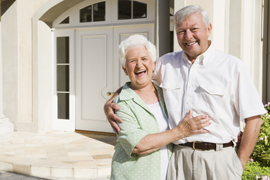
Aging is a natural part of life, and many individuals prefer to stay in the comfort and familiarity of their own homes as they grow older. This desire of living independently in your home as we age has led to a growing focus on creating safe and supportive environments. In this blog post, we will explore the keys to safely aging in place and provide practical tips to help you or your loved ones maintain independence and well-being in the home.

Assess Your Home

Before embarking on the journey of aging in place, it’s crucial to assess your home for potential hazards and make necessary modifications. Start by examining the following areas:

  • Entryways and Exits: Ensure that entrances and exits are easily accessible, well-lit, and equipped with sturdy handrails.
  • Flooring and Walkways: Remove tripping hazards, secure loose rugs, and consider installing slip-resistant flooring in high-risk areas like bathrooms.
  • Staircases: Install handrails on both sides of the stairs, and consider adding non-slip treads or a stairlift if needed.
  • Bathroom Safety: Install grab bars near toilets and in showers or tubs, use non-slip mats, and consider adding a raised toilet seat or a shower seat for added comfort and stability.

Create a Support Network

Maintaining a strong support network is essential for aging in place. Reach out to family members, friends, neighbors, or community organizations that can provide assistance when needed. Additionally, consider joining local senior centers or social groups to stay connected with others who share similar experiences.

Consulting with healthcare professionals and experts in aging can provide valuable insights and guidance for safely aging in place. Schedule regular visits with your primary care physician, geriatric specialist, or occupational therapist to address any health concerns and discuss strategies to maintain independence.

Embrace Technology

In today’s digital age, technology can play a vital role in enhancing safety and independence at home. Consider incorporating the following tools and devices:

  • Personal Emergency Response Systems: These wearable devices allow seniors to call for help in case of an emergency, providing peace of mind and a quick response when needed.
  • Home Security Systems: Install a reliable home security system that includes features like door/window sensors, motion detectors, and video surveillance to enhance safety.
  • Smart Home Automation: Utilize smart devices and voice-controlled assistants to control lights, thermostats, and appliances, making daily tasks more manageable and reducing the risk of accidents.

Stay Active and Engaged

Physical and mental well-being are essential aspects of aging in place successfully. Regular exercise, such as walking, tai chi, or yoga, can improve strength, balance, and overall health. Engage in hobbies, social activities, or volunteer work to maintain mental stimulation and a sense of purpose.

Enjoy Living Independently in Your Home

Choosing to age in place is a personal decision that can bring comfort, familiarity, and independence. By assessing your home, building a support network, seeking professional advice, embracing technology, and staying active and engaged, you can create a safe and fulfilling environment for the journey of aging in place. Remember, it’s never too early to start planning for the future and taking the necessary steps to ensure a happy and healthy life at home.

Avis des clients

FrançaisEspañolEnglish