
Entrez votre terme de recherche ci-dessus.

Take your home to the next level with a Pollock residential elevator. If you have accessibility concerns and choose to age in place, installing an elevator will make navigating your home more manageable. Pollock Lifts Shaftless Elevators have been manufactured by Pollock for 35 years. Pollock offers three different sizes of their residential elevators: 

  • Compact-a single person elevator 
  • Twin-it is still compact but fits two people comfortably 
  • The wheelchair-the largest of the three- holds anyone in a wheelchair, so they can easily maneuver through their home. 

The travel distance of the elevator is 13 feet 9 inches. So, the elevator can fit in most homes. In addition, the elevator travels on rails, which means you have open living space when the lift is not in the room. It is manufactured with the highest safety standards. 

Additional Benefits of Pollock Elevators

We offer quick elevator installations and can usually get them installed in a matter of days. The installation team gets in and out, leaving your property better than it looked before the installation. 

There is a full warranty. In the unlikely event the elevator breaks down, the lifts come with a 12-month warranty for all parts and labor. Our support team is also available for you 365 days a year, 24 hours a day. 

If there is a power outage, the elevator has a dedicated battery backup, so it will always return to the ground floor. Then using a manual lever, you can open the doors and exit the elevator. 

Here are just a few of the standard features you can expect with your Pollock elevator: 

  • Traction drive 
  • Quiet Travel 
  • Safety/sensor edges 
  • Self-leveling if floors are uneven 
  • Wireless remote control 
  • Soft start and stop 
  • Large vision panels with LED lighting

You can also add optional extras such as: 

  • Faster motor 
  • In elevator phone 
  • Handrails 
  • Heavy Duty Capacity 
  • Mood lighting 
  • Tip-up Seat 
  • Power-operated door 

Pollock Elevators Near Me

The Pollock elevators originated in England, but you can find them specifically at Accès le lendemain. At Next Day Access, we aim to provide as many accessibility and mobility options as possible. In addition, we understand that you would probably rather age at home than go to a nursing home, so we offer several products that help you age at home comfortably and safely. 

Once someone suffers from a stroke, they often develop new limitations or a physical disability. Their first challenge is transitioning back home from the hospital or skilled nursing unit.  Since a stroke comes with no warning, the house may not be equipped for new disabilities and physical challenges.

Nearly one-third of stroke survivors are permanently disabled after their stroke. This means they are no longer able to do many of the things they did previously without assistance.

Home Modifications for Stroke Survivors: 6 Helpful Ideas

To help stroke survivors transition home more smoothly, caregivers should evaluate the home for modifications to support the stroke survivor and make them feel safe and comfortable at home. Here are six tips for home modifications for stroke survivors that will make the transition easier for them.

Reorganize

Reorganize to accommodate mobility aids. If the stroke survivor needs a wheelchair, Next Day Access has an abundance of wheelchairs or scooters to help them better maneuver the home. We also provide many styles of Rampes pour fauteuils roulants. If the home has stairs, we also offer various stairlifts.

We even have porch lifts that can raise the wheelchair user to the patio or porch level of a home. Be prepared to rearrange furniture to make room for wheelchairs, walkers, or other mobility aids. 

Modify the Bathroom

Get to work in the bathroom. Install Barres d'appui and shower handles. Wet slippery surfaces can cause issues for most, but they can be especially disastrous for someone with a physical impairment. Invest in a shower stool and non-slip mats for the bathroom.

At Next Day Access, we can easily install a walk-in tub. Walk-in tubs help tremendously when trying to avoid slips when entering the tub area. 

Change the Bed

Modify the bed. Sometimes a standard bed may be too low for stroke survivors to get into safely and comfortably. You can raise the bed with bed risers or rent an adjustable hospital bed.

There are all sorts of adjustable beds on the market today if you would rather the room not have a hospital look. You will also want to look into bed rails to keep your loved one from falling out of bed overnight. 

Rearrange the Kitchen

Reposition items in the kitchen. Make sure things used daily are convenient to reach and consider changing the knobs on cabinets to pull knobs. You can also have cabinets with drawers that slide out for easier reach. Another tip is to place pantry items or dishes in lower cabinets. 

Reconfigure the Changing Area

Reorganize the closet and dressing area. Add a chair into the wardrobe so your loved one can sit comfortably while dressing and have clothes hanging low in the closet for easier access. 

Add Dressing Aids

Include dressing aids in the closet. You can purchase zipper pullers and button hook aids, grabbing tools for out of reach items, shoehorns to help put on shoes, and many other devices to help your loved one feel more independence and privacy while changing. 

How Next Day Access Can Help

At Next Day Access, we are more than prepared to help you figure out everything you need to modify the home for stroke survivors. Even if the stroke survivor is expected to make a full recovery, we have items you can rent to ease their return home.

If your loved one is not likely to make a full recovery, we provide an abundance of mobility equipment and accessibility devices at fantastic prices. These products help the stroke survivor regain a feeling of independence at home while also staying safe.

Our experts are happy to set up an in-home consultation to walk you through the house, showing you precisely the necessary modifications. We also have an Installation team that works quickly and efficiently if you need things installed immediately.

When a stroke happens, we hope you will contact us as soon as possible. We will do all we can to provide you with the knowledge and products you need for your new normal. 

MEMPHIS, TENN. julio 14, 2022 – Next Day Access, a leading provider of accessibility and mobility solutions for residences and commercial businesses, announces its partnership with Smart Alert Tech, a new and subscription-free monitoring system.

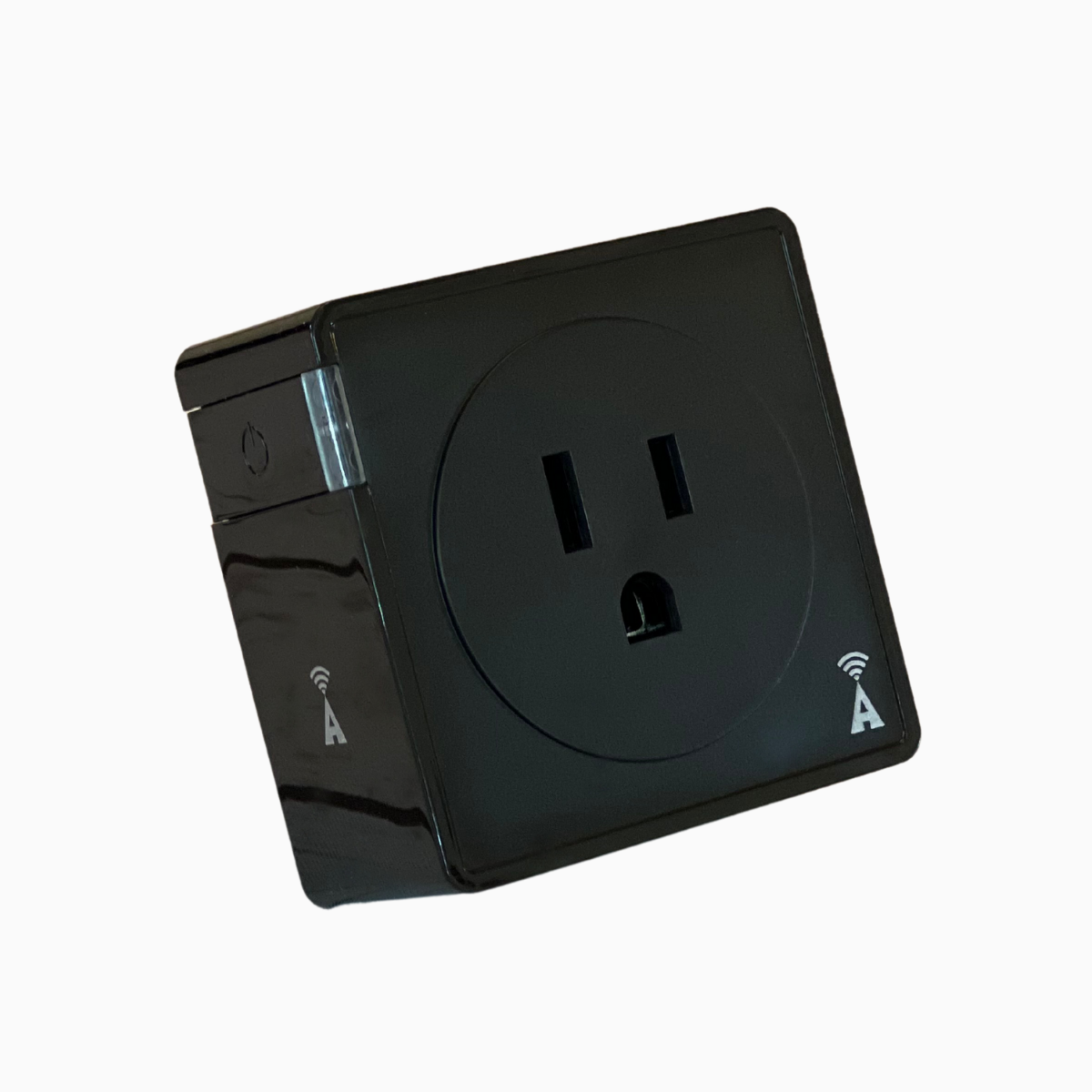
The partnership allows Next Day Access franchises to offer customers a simple and unobtrusive way to monitor a loved one’s daily life and only be alerted to interruptions in their routine. The monitoring system works by downloading the app, pairing the plug or sensor, and setting up the alarm. Customers receive a push notification if there’s a change in the loved one’s pattern.

“We are excited and proud to partner with Next Day Access,” said Andrew Witherspoon, Co-Owner of Smart Alert Tech. “Our products help people stay in their homes and live independently while empowering family members and care-workers to keep check of their loved ones without costly monitoring fees. Instead of being inundated with constant alerts and notifications, our Smart Monitoring System will only alert potential problems and breaks in daily routines.”

“Many of our customers are caretakers whose concerns are their parents living alone and not being able to monitor them,” said Dave Clark, President of Next Day Access. “With Smart Alert Tech, customers can unobtrusively monitor their loved ones so they can safely and independently age in place.”

About Smart Alert Tech

Smart Alert Tech provides innovative technology to give peace of mind to families everywhere.  With the new Smart Monitoring System, only receive notifications when there is cause for concern.  No hidden fees, no contracts – just a simple, straightforward way to keep check of those you care for most. Find out more at www.smartalerttech.com.

À propos de l'accès le jour suivant

Next Day Access is a local provider for accessibility and mobility solutions for homes and commercial businesses. With franchise locations across the United States and Canada, their goal is to help aging loved ones and people with limited mobility and disabilities live safely, comfortably, and independently in their homes. Learn more by visiting www.nextdayaccess.com.

In Canada, every June is Brain Injury Awareness Month. The reason we honor those with brain injuries is to shine a light on an often-invisible illness.

It all began when brain injury associations across Canada came together to enlighten people about a disability that affects more than 1.5 million people in often complicated, unique, and challenging ways.

Why Run These Campaigns?

By running these campaigns in national, provincial, and local areas, the hope is the existing obstacles and the prevalence of brain injuries will make people see the need for more services and support at all stages of brain injury recovery.

The people behind the scenes of Brain Injury Awareness Month ask you to follow them on social media. They also ask you use the hashtags #ShineALightOnBrainInjury, #BrainInjuryAcrossAmerica, and #BrainInjuryAwarenessMonth.

What’s a Helpful Resource?

Brain injuries can happen to anyone, anywhere, and at any time. One can find comfort in knowing there is support for people dealing with this obstacle. One fantastic website with information is braininjurycanada.ca.

You can find different ways to get involved including helping with campaigns and raising money for research. You can also become knowledgeable on brain injuries and how you can provide assistance and care. The website even has a section dedicated to health care professionals. 

According to their website, Brain Injury Canada is a national charitable organization focused on education, awareness, and advocacy for the brain injury community. This resource site has been developed to be universally accessible and easy to navigate. It supports those living with acquired brain injury, their families/caregivers, and health care professionals. Prior to publication, all content on the website is first reviewed by one or more members of our Scientific Advisory Committee, all of whom have significant experience and are leading subject matter experts. Content is sourced using evidence-based resources included on source pages for your reference. 

How We Can Help

At Accès le lendemain, we urge you to check out the Brain Injury Canada website. You can also help those suffering from brain injuries. Additionally, we at Next Day Access offer several different equipment and devices to help anyone living with a disability.

We understand how difficult it can be to adjust to a brain injury or any other form of disability. Our goal is to provide you or your loved ones with accessibility and mobility equipment to create a comfortable home. We offer equipment to help and home modifications to help keep loved ones safe at home. Nous contacter today and let us help.

Grandparents are special people in our lives, so it is essential to show them we care. Every year our nation honors grandparents by dedicating the month of June to Care for Your Grandparents Month. Sometimes it is not always easy to show our appreciation to our grandparents.

Many of them do not want to be a bother to us, or it may seem they have everything they need. There are many ways we can celebrate them. Here are a few ways you can show you care: 

Provide Food

Take them out to dinner or cook them a nice meal. If you have small children, they can help prepare the meal. You could even see if you have a recipe from grandma to use for dinner. If your grandparents prefer to go out to dinner, take them to their favorite place. 

Visit Often

Stop by and visit often. If you live nearby, stop by their home to visit as often as possible. Grandparents do not get out like they once could and can feel lonely at home, especially since the Covid virus. If you feel safe doing so, stop by just to say hello, even if you are waving from the windows. This is an excellent opportunity to let them know they are on your mind. 

Send Mail

If your grandparents live far away, sending nice cards or letters are a lovely way to stay in touch. Of course, you should also call them to check up on them. Even if you only discuss the weather, the phone call will remind them that you think of them.  

Teach Technology

Teach them to use technology. Setting up an iPad for your grandparents could mean a lot. They will be able to converse freely and see pictures they may not see otherwise. This is a wonderful way to help them feel connected to the outside world. You can show them how to look up things that interest them. For example, if your grandfather is an avid bird watcher, you can show him websites he can visit to give him all the information he wants about birds.  

Help Clean

Help them clean around the house and the yard. As our grandparents get older, it is not as easy to mow the lawn, trim the hedges, sweep the floor, and put dishes away. We do not want our grandparents to feel uncomfortable in their home, and if a mess piles up, they are bound to get a little frustrated from the clutter. 

Modify Home

Make sure their home is safe and up to date on the home modifications they need as they age. If you notice a grandparent is unsteady on their feet, install Barres d'appui in the bathroom or rails in the hallways. Is it time for a wheelchair ramp or a stairlift? Many people add modifications before they need them, so the cost does not hit them all at once when they do need them.  

At Next Day Access, we agree that grandparents are special, and we are honored to celebrate Care for Your Grandparents Month in June. If you notice your grandparents need any mobility equipment or they have accessibility concerns, we offer several solutions to keep them safe and comfortable at home.

From walk-in bathtubs to vehicle lifts we are sure to have whatever your grandparents need. Please check out all the Des produits we offer to make your loved one feel more at ease and to give you peace of mind. 

These days, Canadians live longer, most even reaching the age of 100. Canada saw an increase of almost 26% in centenarians between 2006-2011. This increase is the second-highest increase among all age groups.

According to the Office of Actuary data, the average lifespan now for Canadians ages 65 and above is around 87 for men and 89 for women. Most of these aging adults would prefer to age in place.

What is Aging in Place?

Aging in place means having access to social support and health services to keep you safely living independently at home as you age. To age in place, you need to prepare your home to be safe and comfortable. “Plan for the future today to help you live the life you want tomorrow.” 

Here is an Aging in Place Checklist to help you determine if you are ready to age in place and to help you progress to a stage where you can easily live out your life at home.

An Aging In Place Checklist:

1. How is your health?

In Canada, there are laws allowing people close to you to make health care decisions for you if they feel you are not able to make decisions for yourself. It is good to check with your territory or province or speak to a lawyer about appointing someone you trust to make your healthcare decisions. Overall, how is your current health? 

  • Are you physically active? 
  • Do you eat nutritiously? 
  • Do you schedule routine appointments with your doctors, including eye doctors and dentists? 
  • Do you experience good mental health? For example, do you have bouts of depression or anxiety, and if so, will you take steps to address them? 
  • Do you limit your alcohol intake to a safe amount? 
  • Do you smoke? 
  • Do you limit alcohol when taking prescription medications that could interfere with alcohol? 
  • Do you regularly speak with your doctor about pre-existing medical conditions and the best way to receive treatment? 

If you choose to age in place, you must try to remain as healthy as possible. Electronic tools can remind you to take your medicine or perhaps give you steps for exercising at home. Etc. 

2. Is your home in good shape?

The shape of your home is a critical aspect of aging in place. As you age, your home will need to support your mobility and health needs adequately. Many aging adults choose to add accessibility equipment here and there to help make purchasing equipment a gradual expense.

You could start by adding grab bars in the bathroom or changing to a walk-in tub, putting solid handrails around the house, and eventually adding a wheelchair ramp. At Next Day Access, we offer nearly everything you need for your home to help you age in place safely and comfortably.

We can also install our products quickly whether you need a vehicle lift for your car or a stairlift, our installation team will see that you are safe in your home. 

It is also important that if you have foundation problems, roofing issues, or dry rot, you fix those soon. 

3. Do you have a good support group and community?

Do you have solid friendships or family nearby that could stop in to check on you? If not, can you afford to employ an at-home nurse if needed? Do you have an active social life so you will not feel lonely at home? If not, you should look into volunteering.

Volunteering will keep you connected with your community and is associated with increased happiness, longevity, and satisfaction for aging adults. 

4. Are you Safe?

Aging adults are at a higher risk for falls. Falls for aging adults are more severe and could cause a broken leg, hip bone, or other significant injuries. Therefore, it is essential that you are as safe as possible. Make sure you have slip-free bathmats in the bathroom, and if you become unsteady on your feet, invest in equipment like Barres d'appui to keep you safe.

What do you need to do better to age in place comfortably and safely? Use this as a guide of what you need to work on so you can age in place gracefully. Be sure to Nous contacter at Next Day Access when it is time to add accessibility devices to your home or if you need mobility equipment.

Our goal is to provide every solution available to help aging adults or individuals with mobility concerns live independently in their homes. 

For aging adults, the stairs in their homes can become too dangerous to navigate. They may have limited mobility, accessibility concerns, lack of stability, or weakened muscles. When the stairs seem too challenging, many aging adults may think it is time for an assisted living community or a home with no stairs. At Next Day Access, our goal is to find solutions so aging adults can age safely and comfortably at home. We offer various Monte-escaliers, some even suit curved stairs. Many individuals do not realize how cost-effective it is to put in a stairlift rather than move. We can even have your stairlift installed in no time with as little intrusion on your day-to-day as possible. Other than stairlifts being cost-effective, here are a few other benefits you will find when choosing to install a stairlift: 

Stairlifts prevent injuries

Injury prevention is the most obvious benefit of installing a stairlift. You are less likely to slip and fall downstairs, which is the most common area that presents a high-risk fall. Just missing one step can result in a broken leg, hip, or other injuries. 

Stairlifts are easy to use

Stairlifts are extremely easy to operate. When using the stairlift, you sit on the seat, put on the seatbelt, and press the switch on the armrest. Once you are at the top of the stairs, release the switch, and the lift will come to a rest.  

If you find yourself at the top of the stairs but the stairlift is at the bottom, there are remotes you can leave upstairs and downstairs to send the stairlift to where it needs to be. 

Stairlifts are comfortable

You can purchase a lift with extra cushion, but most people feel the standard lift is already very comfortable. There is a stairlift called the Bruno Elite, which is considered the highest quality because the seat, back, and armrest all have padded cushions. 

Stairlifts restore independence

We once had an installer tearfully tell us about a sweet interaction with a customer. The customer was so thrilled with her stairlift because she was always stuck on the top floor, too afraid to go down the stairs for fear of falling. She was delighted she could now order a pizza since she had a stairlift! It’s such a simple thing, but having independence in your home is vital for your physical and mental health.

These are just a few of the benefits of installing a stairlift in your home. Our goal at Next Day Access is to help aging adults and individuals with mobility difficulties feel safe and comfortable at home. We are able to do this because we offer several solutions for accessibility concerns, including stairlifts, wheelchair ramps, porch lifts, and much more. Don’t hesitate to Nous contacter today for all your mobility and accessibility needs. 

Medicaid is a state-administered federally controlled health insurance program. It covers vulnerable people from birth to age 65 and beyond. The system and its rules, however, can be confusing, especially if you are attempting to navigate it for a loved one or patient.

Since 1965, Medicaid has provided insurance for families, but its importance rose recently due to the rising costs of medical services and medication. Sadly, the most considerable financial toll is on people who need it the most, including children, disabled people, and aging adults. These individuals depend on Medicaid to afford the services and support they need to have a good quality of life. 

Medicaid is an excellent resource for aging adults since it works with Medicare and provides comprehensive coverage. Understanding the nuances of Medicaid like who it covers and who qualifies for coverage, however, can be confusing. Requirements vary from state to state. 

What Does Medicaid Cover?

Here are some of the required coverages of Medicaid: 

  • Hospital care 
  • Skilled nursing 
  • In-home care 
  • Doctor’s visits 
  • Preventative care 
  • Wellness screenings 
  • Medical Transportation 
  • Diagnostics 

Who Qualifies for Medicaid?

Forty-two states have now adopted the optional Special Income Level standard to qualify for Medicaid. Under the special income rule, people expected to need nursing home care for at least 30 days can earn up to 300% of the Supplemental Security Income Federal Benefit Rate. Many states have set the income level to be $794, which is 100% of the FBR. Other states require individuals to use all of their income for institutionalized long-term care before Medicaid kicks in. Luckily, there are different ways for people who have medical needs to qualify. 

Asset Limits and Exemptions

Medicaid is strict with its asset limits of $2000 per applicant, but they allow for some exemptions. For example, if your spouse needs nursing home care, but you plan on staying at home, you may be entitled to keep a certain amount of assets. 

The following items are considered assets:

  • Investments 
  • Cash in bank accounts 
  • Second vehicles or homes 
  • Life insurance policies 
  • Revocable trusts 
  • Certain Annuities 

These items are considered exempt assets:

  • Retirement accounts 
  • A primary vehicle 
  • A primary home 
  • Personal property 
  • Household items

The American Council of Aging offers a state-by-state eligibility guide for further information. You can also find additional support at MedicaidPlanningAssistance.org. This website will help find the income limit by state. 

At Next Day Access, we care about aging adults getting the support they need to live their best lives. We offer our support by providing the products they need to help with mobility and accessibility. Nous contacter today to schedule your free in-home complimentary consultation. 

If you are working with a doctor to help the aging adult in your life get the best care possible, how do you determine if every recommended treatment or test will be harmful or helpful? Yes, Doctors are the experts when it comes to treating disease, but you are the expert at knowing what the aging adult in your life wants or needs.

Therefore, it is important you attend every doctor’s visit with them. Some aging adults may not be able to convey their direct wishes and rely on you to help them speak with the doctor.

The doctor needs you to let them know if the treatments they would like to try are realistic for the aging adult’s situation and if they will actually improve their quality of life.

Here is a list of 5 questions you should have prepared to ask the doctor at your loved one’s next appointment. 

5 Questions Aging Adults Should Ask Doctors to Prepare

  1. Do they really need this test? Usually, the tests are essential because they help the doctor or nurse determine the correct treatment. Yet, if the tests are invasive or painful, your loved one might not want to go this route. If you and the doctor agree the tests are crucial, you could take some time alone with your loved one to gently explain why the tests are important and encourage them. Remember, however, the choice is ultimately up to them. 
  1. What are the risk factors of the tests or treatments? Will there be side effects? Will the results involve more testing, possibly leading to another procedure? 
  1. Is there a safer or simpler option? There is a chance that your loved one just needs to make lifestyle changes, such as eating better and getting more exercise. 
  1. What happens if your loved one decides they do not want to do any tests or treatments? Ask the doctor if the condition will get better or worse if they do not have the tests right away? 
  1. How much will the treatments or tests cost? Again, this is your opportunity to determine how much their insurance may cover. It would help if you also used this time to ask about generic medication vs. name-brand medication. 

Be an ally to the aging adult in your life. Make sure you talk to the doctor about them receiving the right amount of care. For more questions aging adults should ask doctors, go to 50 Questions You Should Always Ask Your Doctor After 50.

At Next Day Access, our goal is to support caretakers and aging adults by offering all the supplies they need to live a comfortable and safe life at home. We offer everything from Fauteuils roulants to in-home elevators. We also offer smaller devices such as handrails or Barres d'appui. Contact us today for a complimentary in-home consultation

Sadly, many people in hospitals or nursing homes receive care that aligns not with their wishes. Aging adults need to voice their end-of-life requests to their families and caretakers. One of the biggest requests by aging adults is the desire to die at home surrounded by loved ones and not in a hospital room. If they express their wishes, the provider may see if palliative care or hospice care can be brought in for at-home treatment.

What is Palliative Care?

Palliative care exists for patients living with severe illnesses such as heart failure or cancer. It is usually a step before Hospice care. The palliative care team focuses on treatment to provide the medication needed and maintain maximum comfort for the patient. The goals are to enhance the patient’s life by focusing on their quality of life and help release some pressure from caretakers or family. The organized services supplied by this type of care can be helpful to an aging adult.

A patient can receive palliative care along with curative care and may start at the time of diagnosis. Yet, over time if the doctor or palliative team believes ongoing treatment is no longer helping, they can either continue with comfort care or agree to call in hospice care. 

What is Hospice?

The website seniorsafetyadvice.com provides an excellent definition of hospice.

Hospice is a type of health care that focuses on the palliation of a terminally ill patient. They manage the pain and symptoms and attend to their emotional and spiritual needs at the end of life. Hospice care prioritizes comfort and quality of life by reducing pain and suffering. Hospice care provides an alternative to therapies focused on life-prolonging measures that may be arduous, likely to cause more symptoms, or are not aligned with a person’s goals. 

Many people think hospice signals the end, but that is not always the case. Hospice services exist to help within the palliative care space as well. Although palliative care predominately exists for terminally ill individuals, it also treats illness. Even if your doctor says your loved one has a 20% chance of living, your loved one can qualify for palliative care. 

Hospice care is beneficial for your loved one and helps the caretakers as well. Once the hospice nurse arrives, you can expect them to help make sure your loved one has all the equipment and medication needed and will then connect you with the appropriate person for the following services. Most hospice nurses, however, perform the following tasks:

  • Nursing care 
  • Grief counseling 
  • Social Work Services 
  • Clergy visitations 
  • Homemaking assistance 
  • Physical therapy 
  • Occupational therapy 
  • Speech-language therapy 
  • Pain management 

At Next Day Access, we are here to help you as you go through these challenging days with your loved one or patient. We offer many different devices that help to ensure your loved one is safe and comfortable. We also offer a complimentary consultation to help you determine if you need additional accessibility devices at your home. Nous contacter when you are ready, and we will help.

Avis des clients

FrançaisEspañolEnglish